
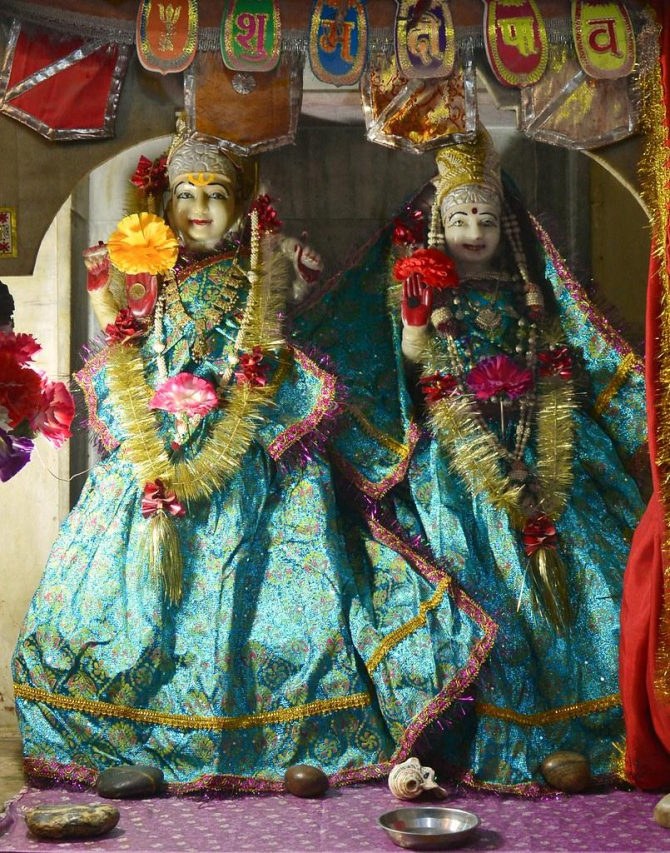

Step back in time and into the enchanting world of folklore era outfits. From the ornate garb of medieval Europe to the vibrant textiles of indigenous cultures, these traditional ensembles are a windows into the rich tapestry of human history and expression. Join us as we delve into the captivating realm of folklore era outfits, where every stitch tells a story and every accessory holds significance. Whether you’re a history buff, a fashion enthusiast, or simply a lover of all things whimsical, prepare to be transported to a bygone era of beauty and mystique.
Table of Contents
- Unveiling the Rich History Behind Folklore Era Outfits
- Exploring the Unique Elements of Folklore Era Clothing
- Unearthing the Symbolism Embedded in Folklore Era Outfits
- Navigating the Intricate Designs of Folklore Era Dressing
- Embracing Timeless Elegance: The Modern Interpretation of Folklore Era Outfits
- Q&A
- To Wrap It Up
Unveiling the Rich History Behind Folklore Era Outfits
Folklore era outfits have a rich history that dates back to ancient times, reflecting the culture and traditions of different communities around the world. From vibrant traditional clothing to intricate accessories, these outfits are more than just a fashion statement – they are a testament to the heritage and folklore of a bygone era.
One of the most intriguing aspects of folklore era outfits is the attention to detail and the use of natural materials. From the hand-sewn embroidery to the delicate beadwork, every element of these garments tells a story. Take, for example, the traditional Japanese kimono, which features exquisite designs that represent nature, seasons, and family crests. Similarly, the intricate patterns found in traditional African attire symbolize unity, spirituality, and social status.
Moreover, folklore era outfits often incorporate symbolic elements that are deeply rooted in cultural beliefs. For instance, in many indigenous communities, specific colors, patterns, and motifs hold spiritual significance and are believed to offer protection and good fortune. These symbolic representations add a layer of mystique to folklore era outfits, making them not only visually appealing but also imbued with meaning and tradition.
Exploring the Unique Elements of Folklore Era Clothing
The folklore era is a rich tapestry of culture, history, and tradition, and the clothing of this time period reflects the unique elements of the era. From intricate embroidery to vibrant colors, folklore era outfits are a fascinating glimpse into the fashion of bygone days. Let’s explore some of the most distinctive features of folklore era clothing that make it truly one-of-a-kind.
**1. Embroidery:** One of the most striking aspects of folklore era clothing is the elaborate embroidery that adorns many garments. Intricate floral patterns, geometric designs, and symbolic motifs are meticulously stitched into the fabric, creating a visually stunning and highly detailed look.
**2. Vibrant Colors:** Folklore era outfits are known for their bold and vibrant color palettes. Rich, deep hues such as crimson, emerald green, and sapphire blue are commonly used, adding a sense of drama and opulence to the clothing.
**3. Traditional Silhouettes:** The silhouettes of folklore era outfits often reflect traditional styles and shapes that have been passed down through generations. Flowing skirts, fitted bodices, and billowing sleeves are all characteristic of the era, adding to the overall sense of authenticity and history.
In addition to these elements, folklore era clothing often incorporates natural materials such as linen, wool, and cotton, as well as traditional accessories like woven belts, embroidered shawls, and handcrafted jewelry. The unique combination of embroidery, vibrant colors, and traditional silhouettes makes folklore era outfits a captivating and timeless expression of cultural identity.
Unearthing the Symbolism Embedded in Folklore Era Outfits
In the rich tapestry of human culture, folklore era outfits are like hidden gems, each carrying its own unique story and symbolism. From the intricate embroidery on a traditional dress to the elaborate headdress worn as a symbol of marital status, these outfits are a reflection of the values, beliefs, and customs of their time. Unearthing the symbolism embedded in these garments offers us a glimpse into the rich cultural heritage of our ancestors and helps us appreciate the depth of meaning behind each piece.
Many folklore era outfits were not just simple garments; they were significant symbols of identity, social status, and even spiritual beliefs. By understanding the symbolism behind these outfits, we gain a deeper appreciation for the cultural practices and beliefs of the past. Here are some common symbols found in folklore era outfits:
– Embroidery and patterns: Each motif and pattern in embroidery carries its own significance, often representing elements of nature, spirituality, or cultural symbols.
– Color symbolism: The choice of colors in folklore era outfits often conveys specific meanings, such as prosperity, purity, or marital status.
– Accessories and adornments: From intricately decorated headdresses to symbolic jewelry, the accessories worn with folklore era outfits often carry deep cultural and spiritual significance.
Understanding the symbolism behind folklore era outfits allows us to see past the superficial beauty of these garments and appreciate the rich cultural heritage and traditions they represent. Whether it’s a traditional dress from Eastern Europe or a ceremonial robe from Asia, each folklore era outfit has a story to tell, and uncovering its symbolism can help us connect with the traditions and beliefs of our ancestors.
Navigating the Intricate Designs of Folklore Era Dressing
The folklore era is a time period rich in history and tradition, and one of the most captivating aspects of this era is its unique and intricate fashion. Folklore era dressing is characterized by its elaborate designs, rich fabrics, and cultural significance. Navigating the world of folklore era outfits can be a fascinating journey, as each region and culture has its own distinct style and symbolism. From the vibrant and colorful clothing of Eastern Europe to the elegant and ornate attire of the Middle East, folklore era dressing offers a diverse and visually captivating array of fashion.
One of the most enchanting elements of folklore era dressing is the attention to detail and craftsmanship that goes into creating each garment. Embroidery, beadwork, and intricate patterns are common features of folklore era outfits, showcasing the skill and artistry of traditional artisans. Additionally, folklore era dressing often incorporates natural materials such as wool, linen, and silk, further highlighting the connection to nature and the environment. The use of vibrant colors and bold patterns also adds to the visual impact of these garments, making them a reflection of the cultural identity and traditions of the people who wore them.
As we delve into the world of folklore era dressing, it’s important to recognize the significance of these outfits within their respective cultures. Folklore era clothing often served as a form of expression, reflecting the beliefs, values, and customs of a community. Each garment tells a story, whether it’s a celebration of a harvest, a symbol of protection, or a representation of a particular folk tale. The intricate designs and symbols woven into folklore era outfits carry a wealth of meaning, giving us a glimpse into the lives and traditions of the people who wore them. From ornate headdresses to intricately patterned tunics, folklore era dressing is a testament to the power of fashion as a form of cultural expression and storytelling.
| Region | Characteristics |
| Eastern Europe | Colorful embroidery, floral motifs, and intricate lacework |
| Middle East | Rich fabrics, elaborate beadwork, and vibrant colors |
From the ornate attire of Eastern Europe to the opulent garments of the Middle East, folklore era dressing is a treasure trove of cultural heritage and artistic expression. By exploring the intricate designs and symbolism of folklore era outfits, we gain a deeper understanding of the people and traditions that shaped these remarkable fashions.
Embracing Timeless Elegance: The Modern Interpretation of Folklore Era Outfits
In today’s fast-paced world, the allure of the folklore era continues to captivate fashion enthusiasts, inspiring a modern interpretation of timeless elegance. The Folklore era outfits have a rich history and cultural significance, drawing inspiration from traditional craftsmanship, intricate embroidery, and indigenous textiles. The resurgence of this trend has brought forth a fusion of old-world charm and contemporary style, making it a favorite choice for those seeking to embrace the past while staying relevant in the present.
This modern interpretation of folklore era outfits incorporates a blend of classic silhouettes with a contemporary twist. Designers are infusing traditional elements such as intricate beadwork, handwoven fabrics, and folkloric prints into modern clothing pieces, creating a unique fusion of old and new. The result is a stunning collection of garments that exude a sense of nostalgia while remaining fashion-forward and versatile. Embracing timeless elegance through folklore era outfits allows individuals to pay homage to the past while expressing their individuality and sense of style.
The Folklore era outfits are not just a trend, but a celebration of heritage and cultural diversity. Incorporating these timeless pieces into one’s wardrobe allows for a deeper connection to the past while embracing the beauty of different traditions. Whether it’s a beautifully embroidered blouse, a handcrafted skirt, or a statement piece of jewelry, folklore era outfits add a touch of history and elegance to any modern ensemble. Embracing this trend is a way to honor the craftsmanship of artisans from generations past and keep their legacy alive in the contemporary world.
Q&A
Q: What defines the folklore era in terms of fashion?
A: The folklore era is characterized by the revival and reimagining of traditional dress and cultural heritage in a modern context. It is a celebration of the unique and diverse clothing styles that have been passed down through generations.
Q: What are some key elements of folklore era outfits?
A: Folklore era outfits often feature intricate embroidery, vibrant patterns, and distinctive silhouettes that are inspired by traditional clothing from different cultures. They embrace the use of natural materials such as linen, cotton, and wool, and are often adorned with handmade details like tassels, beads, and fringe.
Q: How can one incorporate folklore era elements into their everyday wardrobe?
A: Incorporating folklore era elements into your everyday wardrobe can be as simple as adding a piece with embroidered details, opting for a colorful patterned skirt, or accessorizing with statement jewelry that reflects cultural influences. It’s about infusing a sense of history and tradition into your personal style.
Q: What are some modern interpretations of folklore era outfits?
A: Modern interpretations of folklore era outfits often blend traditional elements with contemporary design techniques. This could mean pairing a traditional embroidered blouse with a pair of modern jeans, or mixing and matching pieces from different cultural backgrounds to create a unique and eclectic look.
Q: How does embracing folklore era fashion contribute to cultural preservation and appreciation?
A: Embracing folklore era fashion allows individuals to honor and appreciate the beauty and significance of different cultural traditions. It can also serve as a form of cultural preservation, as it brings attention and recognition to traditional clothing styles that may otherwise be at risk of being forgotten.
To Wrap It Up
As we bid adieu to the era of folklore fashion, it’s clear that its influence will continue to resonate in the sartorial world for years to come. From billowing sleeves to intricate embroidery, the romance of this bygone era has left an indelible mark on modern fashion. So as we embrace the future, let’s not forget to pay homage to the rich tapestry of folklore era outfits that have captivated our hearts and minds. As we look to the horizon of fashion, let’s also remember to cherish the timeless beauty of the past.