
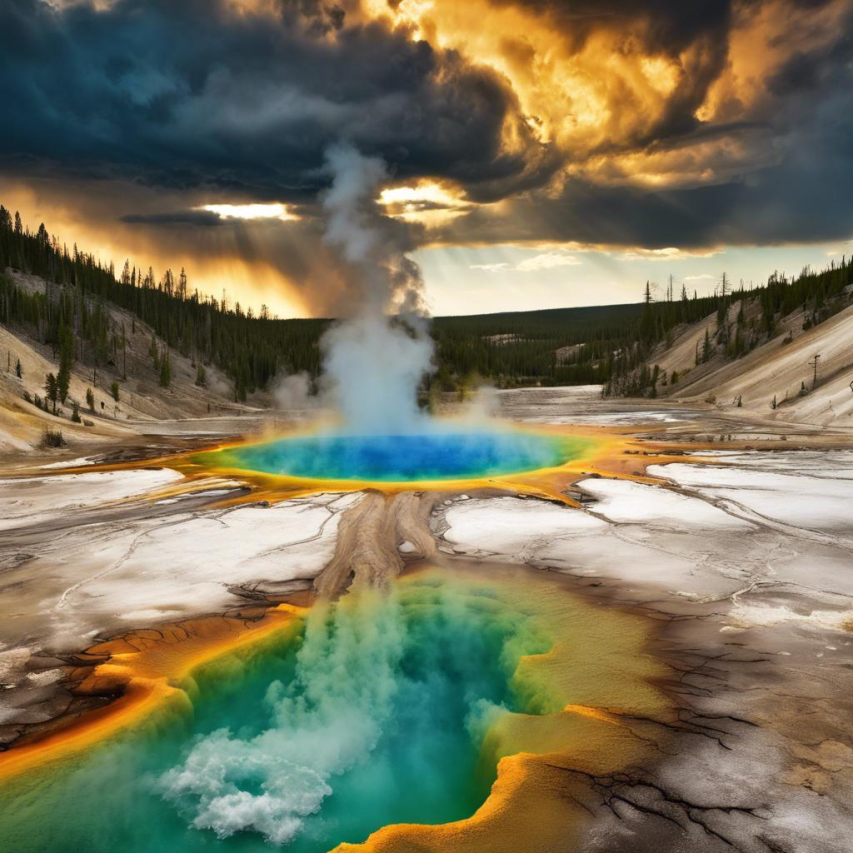

In the heart of the American west lies a land of untamed beauty and raw wilderness, where geysers erupt in a symphony of steam and water, and wildlife roams free in the shadow of towering mountains. Welcome back to Yellowstone National Park, where the wonders of nature continue to astound and amaze in our exploration of Yellowstone Part 2. Join us as we venture deeper into this iconic landscape, uncovering hidden gems and unveiling the secrets that make Yellowstone a true marvel of the natural world. From the famous Old Faithful to the hidden treasures of the backcountry, Yellowstone Part 2 is an adventure you won’t want to miss. So buckle up and get ready to immerse yourself in the wonders of Yellowstone National Park.
Table of Contents
- Exploring the Geothermal Wonders of Yellowstone
- Wildlife Watching: A Guide to the Park’s Most Remarkable Animals
- Tips for Hiking the Spectacular Trails of Yellowstone
- Camping and Lodging Options for Every Type of Traveler
- Delicious Dining: Where to Eat in and Around Yellowstone
- Uncovering the History of Yellowstone: From Native Americans to National Park Status
- Photography Tips for Capturing the Beauty of Yellowstone
- The Best Time to Visit Yellowstone: Seasonal Highlights and Considerations
- Q&A
- In Retrospect
Exploring the Geothermal Wonders of Yellowstone
The geothermal wonders of Yellowstone National Park are a sight to behold, showcasing the power and beauty of the earth’s natural forces. As you explore this incredible park, you’ll encounter a variety of geothermal features that will leave you in awe. From colorful hot springs to bubbling mud pots, each geothermal wonder offers a unique and mesmerizing experience.
One of the most famous geothermal features in Yellowstone is the Grand Prismatic Spring, known for its stunning rainbow colors that are caused by the presence of different types of bacteria and algae. It’s the largest hot spring in the United States and the third-largest in the world, spanning over 370 feet in diameter. As you stand on the boardwalk overlooking the spring, you’ll be captivated by the vibrant hues of blue, green, yellow, and orange, creating a breathtaking display of nature’s diversity.
Another must-see geothermal wonder in Yellowstone is the Old Faithful geyser, famous for its reliable and predictable eruptions. This iconic geyser shoots water into the air every 60 to 110 minutes, reaching heights of 106 to 184 feet. It’s a mesmerizing sight to witness the raw power of the earth as it sends water and steam skyward, creating a spectacle that has captivated visitors for generations. As you explore the geothermal wonders of Yellowstone, you’ll be amazed by the raw power and beauty of the earth’s natural forces, creating an unforgettable experience that will stay with you long after you’ve left the park. So, put on your walking shoes, pack a camera, and prepare to be amazed as you embark on an adventure through the geothermal wonders of Yellowstone National Park.
Wildlife Watching: A Guide to the Park’s Most Remarkable Animals
When visiting Yellowstone National Park, it’s almost impossible to not be captivated by the incredible wildlife that call the park home. From the iconic grizzly bear to the elusive wolf, the park offers an unparalleled opportunity to witness some of the most remarkable animals in their natural habitat.
One of the most sought-after wildlife sightings in Yellowstone is the majestic elk. Visitors can often spot these magnificent creatures grazing in the meadows or wandering through the forests. With their impressive antlers and graceful movements, elk sightings are a true highlight of any wildlife watching experience in the park.
Another iconic Yellowstone animal is the bison, often referred to as the symbol of the American West. These massive creatures can be seen roaming the plains and grasslands of the park, providing visitors with a glimpse into the untamed beauty of the wilderness. Watching a bison in its natural habitat is a humbling and awe-inspiring experience that should not be missed.
Tips for Hiking the Spectacular Trails of Yellowstone
Yellowstone National Park is home to some of the most breathtaking trails in the world, offering hikers a chance to explore its diverse landscapes and iconic landmarks. To make the most of your hiking experience in Yellowstone, here are some tips to ensure a safe and enjoyable adventure.
First and foremost, it’s essential to be well-prepared before hitting the trails. Make sure to pack plenty of water, snacks, and proper gear, including sturdy hiking boots, a map, and a first-aid kit. The weather in Yellowstone can be unpredictable, so it’s important to dress in layers and be prepared for sudden changes in temperature.
When navigating the trails, always stay on designated paths and follow park regulations to protect the fragile ecosystem. Keep an eye out for wildlife, and maintain a safe distance if you encounter any animals along the way. Additionally, be mindful of your surroundings and be respectful of other hikers to ensure a harmonious experience for everyone. With these tips in mind, you’ll be well-equipped to embark on an unforgettable hiking adventure in Yellowstone National Park.
In addition, if you are planning to hike in Yellowstone during peak season, consider arriving early in the morning to avoid crowds and secure parking at popular trailheads. This will allow you to fully immerse yourself in the natural beauty of the park and take in the stunning scenery without distractions. In doing so, you can make the most of your hiking experience and create memories that will last a lifetime.
Camping and Lodging Options for Every Type of Traveler
When it comes to exploring Yellowstone National Park, there are camping and lodging options to suit every type of traveler. Whether you’re an avid camper who loves roughing it in the great outdoors, or you prefer the comfort and convenience of a cozy lodge, Yellowstone has something for everyone.
For those who enjoy sleeping under the stars and waking up to the sounds of nature, the park offers a variety of campgrounds that cater to different preferences. From backcountry camping for the adventurous soul to developed campgrounds with modern amenities, there’s a camping experience to fit every need. Imagine roasting marshmallows over a campfire, gazing at the starry night sky, and falling asleep to the soothing sounds of the wilderness.
On the other hand, if you prefer a more luxurious accommodation, Yellowstone also boasts a selection of lodges and cabins that provide comfort and convenience amidst the rugged beauty of the park. Whether you’re looking for a historic lodge with rustic charm or a modern cabin with all the comforts of home, there are options to suit every taste and budget. Picture cozying up by a fireplace after a day of exploring, or waking up to breathtaking views of the surrounding landscape. No matter what type of traveler you are, Yellowstone has the perfect camping and lodging options for your next adventure.
Camping Options
- Backcountry camping
- Developed campgrounds with amenities
- Campgrounds for RVs and tents
Lodging Options
- Historic lodges with rustic charm
- Modern cabins with all the comforts of home
- Resort-style accommodations
Delicious Dining: Where to Eat in and Around Yellowstone
When visiting Yellowstone National Park, one thing you can always count on is finding delicious dining options in and around the area. Whether you’re craving a hearty meal after a day of exploring the park or looking for a cozy spot to indulge in some local cuisine, Yellowstone and its surrounding towns have something for every taste and preference.
One of the must-visit dining destinations near Yellowstone is the Old Faithful Inn Dining Room. Situated in the iconic Old Faithful Inn, this dining room offers a rustic and charming atmosphere, complete with stunning views of the geyser. Here, visitors can enjoy a variety of hearty American fare, including bison pot roast, wild game meatloaf, and a selection of decadent desserts. Additionally, for those looking for a quick bite, the Geyser Grill is also located nearby, serving up casual grab-and-go options such as burgers, sandwiches, and salads.
For those craving a taste of authentic Western flavors, the town of West Yellowstone is home to several dining establishments that are worth exploring. From sizzling steakhouses to cozy cafes, visitors can savor everything from slow-smoked barbecue and hand-cut steaks to freshly baked pastries and artisanal coffee. Additionally, for a taste of the local craft beer scene, the area offers a handful of breweries where visitors can sample unique brews and take in the laid-back Montana atmosphere. Whether you’re in the mood for a fine dining experience or a casual meal, the dining options in and around Yellowstone are sure to satisfy every craving.
Uncovering the History of Yellowstone: From Native Americans to National Park Status
Yellowstone National Park is a place of extraordinary natural beauty, but its history is just as fascinating as its geysers and wildlife. The park has a long and rich history, dating back thousands of years. From the pristineness of wildlife to the amazing geysers, the park has drawn visitors for centuries.
Native Americans and Yellowstone
The story of Yellowstone begins long before it was officially established as a national park in 1872. Native American tribes such as the Shoshone, Bannock, Blackfeet, and Nez Perce have inhabited the land for thousands of years. They revered the land and considered it to be sacred, using its resources for hunting, fishing, and gathering.
Establishment of Yellowstone National Park
Yellowstone became the world’s first national park in 1872, but its history as a protected area began long before that. In the mid-19th century, explorers and mountain men who ventured into the region brought back reports of its stunning natural beauty. This led to the exploration and documentation of the region by various expeditions. The efforts of these early explorers, along with the advocacy of conservationists, eventually led to the establishment of the park as a protected area for the enjoyment of future generations.
The establishment of Yellowstone National Park marked a significant turning point in the history of conservation efforts in the United States. The park’s unique landscape, including its geysers, hot springs, and wildlife, quickly captured the imagination of the public and became a symbol of America’s natural beauty. Today, Yellowstone National Park remains an iconic destination for visitors from around the world, attracting millions of visitors each year.
Photography Tips for Capturing the Beauty of Yellowstone
Yellowstone National Park is a photographer’s dream come true. With its stunning landscapes, diverse wildlife, and unique geological features, there’s no shortage of photographic opportunities. However, capturing the beauty of Yellowstone can be a challenging task, especially for those who are unfamiliar with the park. To help you make the most of your photography experience in Yellowstone, here are some tips to keep in mind.
1. Time Your Visit
Yellowstone’s beauty changes throughout the day, so it’s important to time your visit to get the best light. The famous “golden hour” just after sunrise and before sunset is the ideal time to capture the park’s landscapes in warm, soft light. Additionally, midday can be a great time to photograph the park’s geothermal features, as the sun’s angle can enhance the steam and colors of the hot springs and geysers.
2. Embrace the Wildlife
Yellowstone is home to a rich diversity of wildlife, including bison, elk, bears, and wolves. To capture the park’s wildlife, it’s important to be patient and respectful. Keep a safe distance from the animals and use a telephoto lens to capture them in their natural habitat. Remember to respect the park’s wildlife viewing guidelines and never approach or feed the animals.
3. Explore Off the Beaten Path
While Yellowstone’s iconic landmarks such as Old Faithful and Grand Prismatic Spring are must-see attractions, don’t overlook the park’s lesser-known spots. Explore off the beaten path to discover hidden gems and unique photo opportunities. Consider visiting the Lamar Valley for wildlife photography or hiking to the top of Mount Washburn for panoramic views of the park.
| Tip: | Consider using a polarizing filter to reduce glare and enhance colors in your landscape photos. |
| Tip: | Experiment with different perspectives and angles to add variety to your Yellowstone photos. |
By following these photography tips, you’ll be well-equipped to capture the beauty of Yellowstone and create stunning images that showcase the park’s natural wonders. Whether you’re a beginner or an experienced photographer, Yellowstone offers endless opportunities to hone your craft and create captivating images that reflect the park’s unique charm.
The Best Time to Visit Yellowstone: Seasonal Highlights and Considerations
Yellowstone National Park is a stunning destination that offers a unique experience throughout the year. Each season brings its own highlights, making it a perfect year-round destination for nature lovers and wildlife enthusiasts. Here are some seasonal considerations to keep in mind when planning your visit to Yellowstone.
Spring:
- Spring is a great time to visit Yellowstone for those who want to witness the park coming back to life after the winter months.
- The park experiences fewer crowds during this time, making it a great opportunity for peaceful exploration.
- However, visitors should be prepared for unpredictable weather, with the possibility of snow and road closures in certain areas.
Summer:
- Summer is the peak season at Yellowstone, with warmer temperatures and longer daylight hours.
- This is the best time to explore the park’s diverse range of wildlife, including grizzly bears, grey wolves, and bison.
- Visitors can also enjoy a variety of outdoor activities, such as hiking, camping, and wildlife spotting.
Fall:
- Fall brings stunning colors to the park as the leaves change, making it a photographer’s paradise.
- The park experiences fewer crowds in the fall, making it a perfect time for quiet exploration and wildlife sightings.
- Visitors should be prepared for cooler temperatures and the possibility of snow at higher elevations.
Winter:
- Winter is a magical time at Yellowstone, with the park transformed into a winter wonderland.
- Visitors can enjoy activities such as snowshoeing, cross-country skiing, and wildlife tracking.
- It’s important to note that many park roads and facilities are closed during the winter months, so it’s essential to plan ahead for a winter visit.
No matter what time of year you choose to visit Yellowstone, you’re sure to be captivated by the park’s natural beauty and diverse wildlife. Each season offers its own unique experiences, making it a place worth visiting time and time again.
Q&A
Q: Why is Yellowstone National Park often referred to as “Wonderland”?
A: Yellowstone National Park is often referred to as “Wonderland” due to its stunning natural features, including geysers, hot springs, waterfalls, and wildlife. It truly is a wonderland for nature lovers and outdoor enthusiasts.
Q: What can visitors expect to see in Yellowstone Part 2?
A: In Yellowstone Part 2, visitors can expect to see even more of the park’s incredible beauty, including iconic attractions such as Old Faithful, Grand Prismatic Spring, and the Grand Canyon of the Yellowstone. They can also spot diverse wildlife such as bison, elk, and bears.
Q: How does Yellowstone Part 2 differ from the first part of the park?
A: Yellowstone Part 2 offers a different perspective of the park, showcasing more of its natural wonders and unique landscapes. It provides an opportunity to delve deeper into the park’s mesmerizing features and experience the magic of Yellowstone from a new angle.
Q: What are some must-see attractions in Yellowstone Part 2?
A: Some must-see attractions in Yellowstone Part 2 include the Norris Geyser Basin, Mammoth Hot Springs, and Hayden Valley. Each of these locations offers a different and awe-inspiring experience that highlights the park’s incredible geological and ecological diversity.
Q: What kind of experiences can visitors have in Yellowstone Part 2?
A: Visitors to Yellowstone Part 2 can enjoy a range of experiences, from hiking and wildlife watching to photographing the park’s breathtaking scenery. They can also attend ranger-led programs to learn more about the park’s natural and cultural history.
Q: How should visitors prepare for their trip to Yellowstone Part 2?
A: Visitors should prepare for their trip to Yellowstone Part 2 by researching the park’s attractions, planning their itinerary, and packing appropriate gear for outdoor activities. It’s also important to be mindful of safety guidelines and wildlife viewing etiquette while exploring the park.
In Retrospect
As we conclude our journey through Yellowstone National Park, it’s clear that the wonders of this extraordinary place can never truly be captured in words alone. From the iconic geysers and colorful hot springs to the diverse wildlife and breathtaking landscapes, Yellowstone is a living, breathing testament to the raw power and beauty of nature. Whether you’ve been lucky enough to visit in person or have experienced it through the lens of our words, may the spirit of Yellowstone inspire you to cherish and protect our natural world. Until next time, may our adventures continue to ignite our sense of wonder and appreciation for the world around us. Thank you for joining us on this journey through Yellowstone, and may you carry the magic of this place in your heart always.