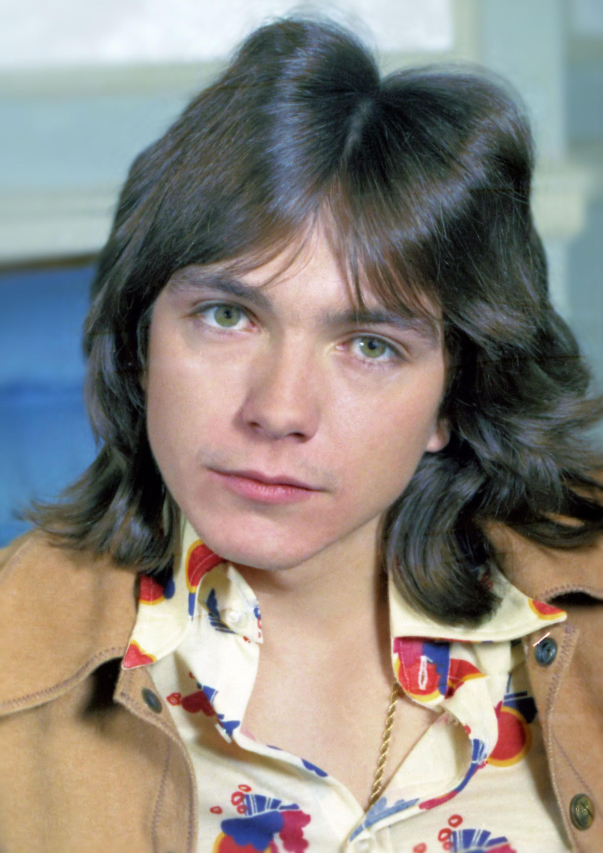

The sudden passing of beloved singer and actor David Cassidy shocked the world in November 2017. Known for his role as Keith Partridge in the hit television series “The Partridge Family,” Cassidy had been a teen heartthrob and cultural icon in the 1970s. However, his death at the age of 67 left fans and the entertainment industry grappling for answers. In this article, we will explore the cause of David Cassidy’s untimely death and the impact it had on those who knew and admired him.
Table of Contents
- Undiagnosed Liver Disease and Organ Failure
- The Impact of Substance Abuse on Health
- Genetic Factors and Risk for Liver Problems
- Mental Health and Self-Care in the Face of Illness
- Q&A
- In Conclusion
Undiagnosed Liver Disease and Organ Failure
David Cassidy, the beloved actor and singer, unfortunately passed away from liver failure and organ failure. The star had been battling with health issues prior to his untimely death, including being diagnosed with dementia before his liver and organ failure. The combination of ultimately led to his passing in 2017.
There are several key factors that may have contributed to David Cassidy’s liver disease and organ failure, including:
– Chronic alcohol abuse: Cassidy had a long history of alcohol abuse, which can lead to liver damage and ultimately failure.
– Non-alcoholic fatty liver disease (NAFLD): This condition, which is often linked to obesity and unhealthy dietary habits, can also lead to liver failure if left undiagnosed and untreated.
– Genetics: Some individuals may be genetically predisposed to liver disease and organ failure, making them more susceptible to these health issues.
It is important for individuals to be aware of the potential risks and symptoms of liver disease, as early detection and intervention can greatly improve outcomes. Regular medical check-ups, maintaining a healthy lifestyle, and seeking medical attention for any concerning symptoms can all help in preventing or managing liver disease and organ failure.
The Impact of Substance Abuse on Health
Substance abuse has a profound impact on an individual’s health, with potentially fatal consequences. The recent death of David Cassidy, the beloved singer and actor, has shone a light on the devastating effects of substance abuse on overall wellbeing. Cassidy, who rose to fame in the 1970s as Keith Partridge on “The Partridge Family,” struggled with alcoholism throughout his life, which ultimately played a role in his untimely passing.
Substance abuse can lead to a wide range of health issues, including:
- Organ damage: Prolonged substance abuse can cause damage to the liver, kidneys, and other organs, leading to severe health complications.
- Mental health disorders: Substance abuse is often linked to the development of mental health disorders, such as depression, anxiety, and psychosis.
- Increased risk of infectious diseases: Intravenous drug use, in particular, can result in a higher risk of contracting infectious diseases such as HIV and hepatitis.
The tragic death of David Cassidy serves as a poignant reminder of the devastating impact of substance abuse on health. It emphasizes the importance of seeking help and support for those struggling with addiction, as well as the need for greater awareness and education surrounding the consequences of substance abuse.
Genetic Factors and Risk for Liver Problems
Genetic factors can play a significant role in determining an individual’s risk for liver problems, including liver disease and other related issues. When it comes to the cause of death for celebrities like David Cassidy, understanding how genetic factors may have contributed to their liver problems can provide valuable insights.
One genetic factor that can influence the risk for liver problems is the presence of certain gene variants that affect how the liver metabolizes and processes toxins, medications, and other substances. Individuals with these gene variants may be more susceptible to liver damage and may have a higher risk for developing liver disease. Additionally, genetic factors can also play a role in determining an individual’s susceptibility to conditions such as nonalcoholic fatty liver disease (NAFLD) and alcoholic liver disease, both of which can increase the risk for more serious liver problems, including liver failure.
Understanding the genetic factors that may have contributed to David Cassidy’s liver problems can provide valuable insights into how genetic testing and personalized medicine can help identify individuals who may be at a higher risk for liver problems. By identifying these genetic factors, healthcare providers can develop targeted preventative and treatment strategies to help reduce the risk for liver disease and related complications. Genomic testing can also help individuals understand their unique genetic risk factors and make informed decisions about their lifestyle, medication use, and other factors that can impact their liver health. **In the table below, we present a list of common genetic factors that can influence the risk for liver problems.**
| Genetic Factor | Influence on Liver Health |
| ————————– | ———————————|
| Genetic variants | Can affect liver metabolism and processing of substances |
| NAFLD-related genes | May increase susceptibility to nonalcoholic fatty liver disease |
| ALD-related genes | Can increase susceptibility to alcoholic liver disease |
| Polymorphisms | May impact how the liver responds to medications and toxins |
Understanding the genetic factors that may have contributed to David Cassidy’s liver problems can provide valuable insights into how genetic testing and personalized medicine can help identify individuals who may be at a higher risk for liver problems. By identifying these genetic factors, healthcare providers can develop targeted preventative and treatment strategies to help reduce the risk for liver disease and related complications. Genomic testing can also help individuals understand their unique genetic risk factors and make informed decisions about their lifestyle, medication use, and other factors that can impact their liver health.
Mental Health and Self-Care in the Face of Illness
David Cassidy, the beloved singer and actor, passed away at the age of 67. His death was caused by liver failure, a result of his long-time struggle with alcoholism. Cassidy publicly battled with his mental health and substance abuse issues, highlighting the importance of self-care and seeking help in the face of illness.
In the wake of Cassidy’s passing, it’s important to recognize the impact that mental health and self-care have on individuals facing illness. Taking care of one’s mental well-being is crucial in maintaining overall health, particularly when dealing with the challenges of a serious illness. Here are some key considerations for supporting mental health and practicing self-care in the face of illness:
- Seek professional help: Consulting with mental health professionals can provide valuable support and guidance in managing the emotional impact of illness.
- Build a support network: Surrounding oneself with friends, family, and community resources can offer much-needed emotional support and assistance during difficult times.
- Practice self-care: Engaging in activities that promote relaxation, stress reduction, and overall well-being can help individuals cope with the challenges of illness.
Q&A
Q: What was the cause of death for David Cassidy?
A: David Cassidy, the famed singer and actor, passed away on November 21, 2017, due to organ failure. He had been battling dementia in the years leading up to his death.
Q: Was David Cassidy’s death unexpected?
A: While Cassidy had been in declining health, his death still came as a shock to his fans and loved ones. He had been hospitalized for liver and kidney failure before his passing.
Q: How did David Cassidy’s battle with dementia play a role in his death?
A: Cassidy had publicly disclosed his struggle with dementia, and it is believed that this condition contributed to his organ failure and, ultimately, his passing.
Q: What legacy did David Cassidy leave behind?
A: David Cassidy will be remembered as an icon of the 1970s, known for his role as Keith Partridge on the television show “The Partridge Family,” as well as for his successful music career. He leaves behind a lasting impact on the entertainment industry.
Q: How have fans and colleagues reacted to David Cassidy’s passing?
A: Following his death, many fans and fellow celebrities expressed their grief and paid tribute to Cassidy, acknowledging his immense talent and influence. The entertainment community mourns the loss of a beloved figure.
In Conclusion
In conclusion, David Cassidy’s cause of death was ultimately attributed to organ failure resulting from years of alcohol abuse. As fans continue to mourn the loss of the beloved singer and actor, it is important to remember the impact of substance abuse on one’s health and wellbeing. Cassidy’s passing serves as a reminder of the importance of seeking help for addiction and taking care of one’s overall health. Let us honor his memory by raising awareness and offering support to those struggling with similar challenges.
