
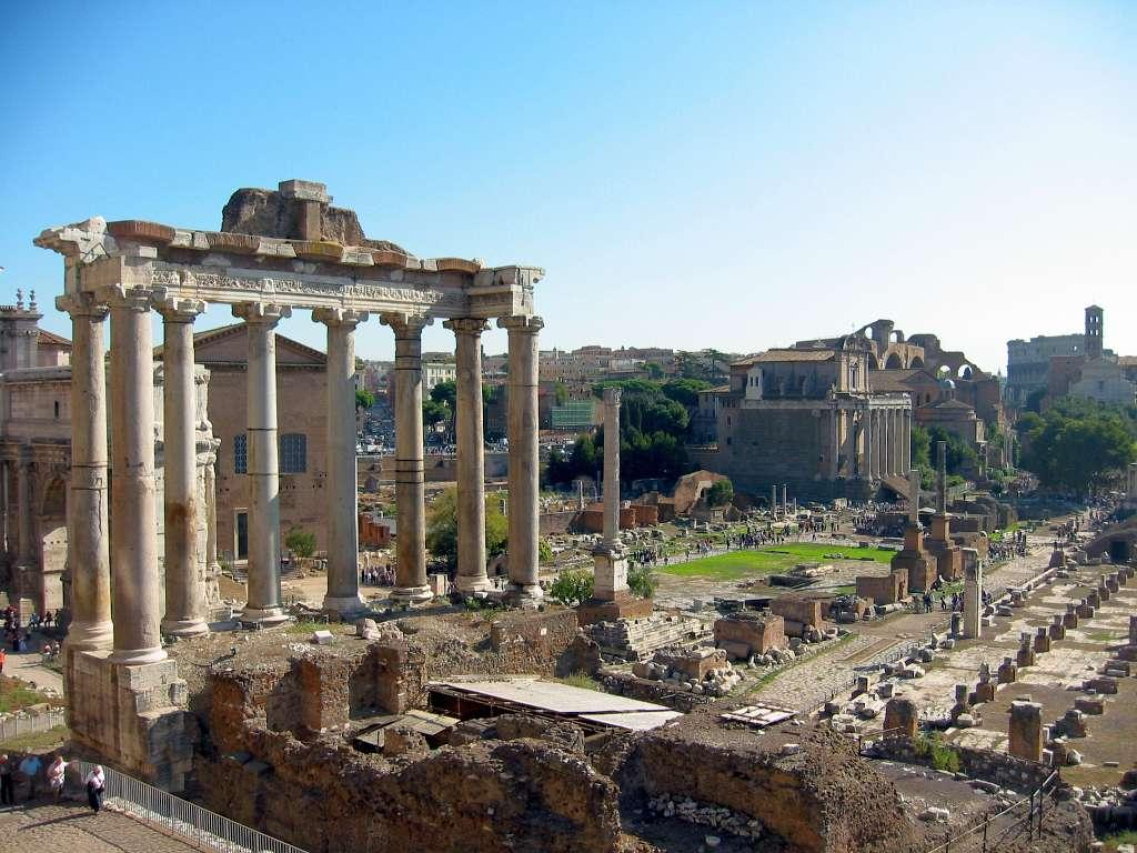

Rome Babel, also known as the “Tower of Babel” in Rome, is a historical and cultural site that continues to intrigue and captivate visitors from around the world. With its rich history and fascinating architectural features, this iconic structure has become a symbol of human ambition and the complexities of communication. In this article, we will delve into the significance and impact of Rome Babel, shedding light on its historical context and enduring legacy.
Table of Contents
- The History and Significance of Rome Babel
- Architectural Features of Rome Babel
- Cultural and Artistic Influences at Rome Babel
- Exploring Rome Babel: Tips for Visitors
- Preservation Efforts and Future Plans for Rome Babel
- Q&A
- Final Thoughts
The History and Significance of Rome Babel
The history of Rome Babel dates back to ancient times, specifically during the reign of Emperor Constantine the Great in the 4th century AD. The original structure, known as the Flavian Amphitheatre, was built in 72 AD by Emperor Vespasian. The amphitheatre was a grand symbol of the Roman Empire’s power and wealth, capable of seating 50,000 spectators. It was used for gladiator contests, public spectacles, animal hunts, mock sea battles, and dramas based on Classical mythology.
The significance of Rome Babel lies in its historical and architectural importance. It stands as a testament to the ingenuity and craftsmanship of the ancient Romans, showcasing their expertise in engineering and construction. Over the centuries, Rome Babel has become a symbol of Italy and a must-visit tourist destination, attracting millions of visitors each year. Its cultural and historical significance is further highlighted by its designation as a UNESCO World Heritage Site in 1980.
In summary, Rome Babel is not only a marvel of ancient architecture but also a vital piece of history that continues to fascinate and inspire people from all over the world. Its enduring legacy serves as a reminder of the greatness of the Roman Empire and the cultural heritage it has left behind.
| Location | Rome, Italy |
| Construction Period | 72 AD – 80 AD |
| Capacity | 50,000 spectators |
Architectural Features of Rome Babel
Rome Babel, a city renowned for its rich history and architectural marvels, is a sight to behold for architecture enthusiasts. The city is home to numerous architectural features that have withstood the test of time and continue to amaze visitors from across the globe. Here are some of the key :
- Colosseum: One of the most iconic landmarks of Rome Babel, the Colosseum is a symbol of ancient Roman engineering and architecture. This massive amphitheater, built over 2,000 years ago, could accommodate up to 80,000 spectators and was used for gladiatorial contests, public spectacles, and dramas.
- Pantheon: This ancient temple, turned into a church in the 7th century, is a prime example of Roman ingenuity. The Pantheon’s enormous dome, designed to mimic the heavens, remains the largest unreinforced concrete dome in the world.
- Trevi Fountain: A stunning Baroque masterpiece, the Trevi Fountain is the largest and most famous fountain in Rome Babel. Its intricate sculptures and cascading waters make it a popular attraction for tourists and locals alike.
These architectural wonders are just a glimpse of the grandeur that Rome Babel has to offer. Each structure tells a unique story and showcases the incredible craftsmanship of the ancient Romans, leaving a lasting impression on all who visit.
Cultural and Artistic Influences at Rome Babel
Rome Babel is a melting pot of cultural and artistic influences, drawing from a rich history that spans thousands of years. The city’s diverse heritage has left a lasting impact on its art, architecture, cuisine, and way of life. Here are some of the key cultural and artistic influences that have shaped Rome Babel into the vibrant and eclectic city it is today.
Classical Roman Architecture: Rome Babel is home to some of the most iconic examples of classical Roman architecture, including the Colosseum, the Pantheon, and the Roman Forum. These ancient structures continue to inspire architects and artists from around the world, and their influence can be seen in buildings and monuments throughout the city.
Renaissance Art: During the Renaissance, Rome Babel was a major center of artistic innovation and creativity. The city was home to famous artists such as Michelangelo, Raphael, and Leonardo da Vinci, who produced some of their most renowned works in Rome Babel. Their masterpieces can still be viewed in the city’s museums and galleries, providing a glimpse into this influential period of art history.
Religious Heritage: Rome Babel is the seat of the Roman Catholic Church and is steeped in religious tradition. The city is adorned with countless churches, basilicas, and religious landmarks, reflecting the enduring influence of Christianity on its culture and artistic expression. The spiritual and artistic significance of these sites continues to draw pilgrims and art enthusiasts from around the world.
In summary, Rome Babel’s cultural and artistic influences are an essential part of its identity, with a rich history that continues to shape the city’s character and appeal to visitors from every corner of the globe.
Exploring Rome Babel: Tips for Visitors
Rome Babel is a majestic and historic city filled with stunning architecture, rich culture, and delicious cuisine. As a visitor, there are a few tips that can enhance your experience and make your trip unforgettable. Here are some suggestions to consider when exploring Rome Babel:
– **Plan Your Itinerary**: With so much to see and do in Rome Babel, it’s essential to plan your itinerary in advance. Research the must-see landmarks, museums, and attractions to make the most of your time in the city.
– **Wear Comfortable Shoes**: Rome Babel is a city best explored on foot, so be sure to wear comfortable shoes. You’ll be walking a lot as you explore the cobblestone streets and historic sites, so it’s essential to be prepared.
– **Respect the Culture**: Rome Babel is steeped in history and tradition, so it’s important to respect the local culture and customs. Be mindful of dress codes when visiting churches and religious sites, and always be courteous to locals.
Additionally, it’s worth noting that Rome Babel can get very crowded, especially during peak tourist seasons. Consider visiting popular sites early in the morning or later in the evening to avoid the crowds and make the most of your experience. By following these tips, you’ll be well-prepared to explore the wonders of Rome Babel and create unforgettable memories.
Preservation Efforts and Future Plans for Rome Babel
Rome Babel, a historical site of great significance, has been the subject of extensive preservation efforts in recent years. The site, which dates back to ancient Roman times, has faced various threats over the centuries, including natural deterioration, urban development, and vandalism. To ensure the ongoing preservation of Rome Babel, a comprehensive plan has been put in place to protect and maintain this valuable cultural asset.
Preservation Efforts:
- Regular inspection and maintenance of the site to identify and address any potential risks or damages.
- Implementation of advanced conservation techniques to restore and protect the structural integrity of the historical remains.
- Engagement with local communities and stakeholders to raise awareness of the importance of preserving Rome Babel and to promote responsible tourism.
Looking ahead, future plans for Rome Babel include the development of educational programs and initiatives aimed at promoting the historical and cultural significance of the site. This will involve collaboration with academic institutions and cultural organizations to create engaging experiences for visitors and to ensure the continued conservation and appreciation of this ancient landmark.
Future Plans:
- Establishment of a visitor center with interactive exhibits and educational resources to provide insight into the history and significance of Rome Babel.
- Integration of sustainable practices in the management and maintenance of the site to minimize environmental impact and ensure long-term preservation.
- Collaboration with local authorities and heritage organizations to secure funding for ongoing preservation efforts and to implement long-term strategies for the sustainable management of Rome Babel.
Q&A
Q: What is Rome Babel?
A: Rome Babel is a cultural association in Rome, Italy that aims to promote intercultural dialogue and understanding through various activities and events.
Q: What kind of activities does Rome Babel organize?
A: Rome Babel organizes language exchange events, cultural workshops, film screenings, art exhibitions, and other events aimed at bringing people from different backgrounds together.
Q: How can I get involved with Rome Babel?
A: You can get involved with Rome Babel by attending their events, volunteering to help organize activities, or becoming a member of the association.
Q: What are the goals of Rome Babel?
A: The goals of Rome Babel include promoting diversity and inclusion, fostering understanding and tolerance among different cultures, and creating a welcoming and supportive community for all.
Q: Is Rome Babel affiliated with any specific religious or political group?
A: No, Rome Babel is a non-partisan and non-denominational organization that welcomes people from all backgrounds and beliefs.
Q: Can anyone participate in Rome Babel events?
A: Yes, Rome Babel events are open to anyone interested in cultural exchange and intercultural understanding, regardless of their nationality, language, or background.
Q: How can I stay updated on Rome Babel’s activities?
A: You can stay updated on Rome Babel’s activities by following their social media pages, signing up for their newsletter, or visiting their website for event updates.
Final Thoughts
In conclusion, Rome Babel is a fascinating linguistic project that aims to uncover the history and diversity of languages spoken in the ancient city of Rome. Through the use of advanced computational methods, researchers are gaining valuable insights into the linguistic landscape of this iconic city. By shedding light on the language diversity present in ancient Rome, Rome Babel provides us with a deeper understanding of the cultural and social dynamics of the time. As the project continues to unravel the mysteries of the past, we can look forward to gaining new perspectives on the ancient world through the lens of language.