
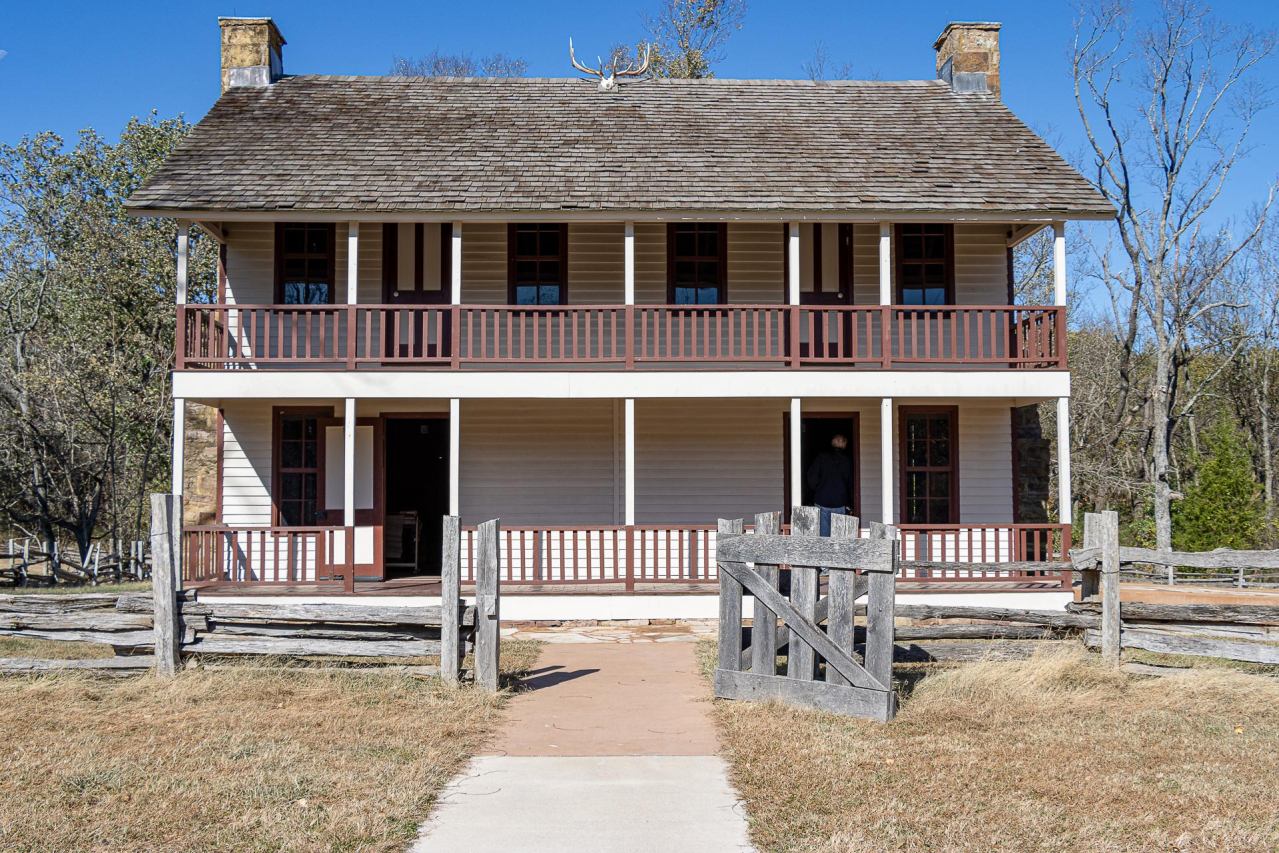

In the thriving town of Muskogee, Oklahoma, in the year 1883, one name struck fear into the hearts of outlaws and criminals - Bass Reeves. As the first black deputy U.S. Marshal west of the Mississippi River, Reeves was a force to be reckoned with. His relentless pursuit of justice and unwavering commitment to upholding the law made him a legendary figure in the American Old West. Join us as we delve into the exhilarating tales of bravery and determination that defined the life of the formidable Bass Reeves in 1883.
Table of Contents
- Bass Reeves: The First African-American Deputy U.S. Marshal
- The Capture of the 1883 Bighorn Posse
- Reeves’ Legacy and Impact on Law Enforcement
- His Remarkable Career and Notable Arrests
- The Challenges Faced by Reeves in the 1880s
- The Story Behind Reeves’ Most Famous Arrests
- Bass Reeves: A Role Model for Today’s Law Enforcement Officers
- Q&A
- In Retrospect
Bass Reeves: The First African-American Deputy U.S. Marshal
Bass Reeves was a remarkable figure in American history, known for his incredible career as the first African-American Deputy U.S. Marshal. Joining the U.S. Marshals in 1875, Reeves was assigned to the Western District of Arkansas and the Indian Territory, which is now present-day Oklahoma. His jurisdiction covered the most dangerous and lawless territory in the Wild West, making his accomplishments even more impressive.
Reeves’ career as a lawman was nothing short of legendary. Over the span of 32 years, he arrested over 3,000 felons and killed 14 outlaws in self-defense. His ability to outsmart and apprehend fugitives, often traveling hundreds of miles alone on horseback, earned him a reputation as one of the most effective Deputy U.S. Marshals of his time. Despite facing constant danger and adversity, Reeves never wavered in carrying out his duties with integrity and determination.
His larger-than-life exploits have inspired numerous books, movies, and TV shows that continue to celebrate his legacy to this day. The impact of Reeves’ contributions to law enforcement and his role as a trailblazer for minorities in the U.S. Marshals Service cannot be overstated, leaving an indelible mark on American history.
The Capture of the 1883 Bighorn Posse
Bass Reeves, famed lawman and the first African American deputy U.S. marshal west of the Mississippi River, made history in 1883 with the capture of the notorious Bighorn Posse. The gang, led by the ruthless outlaw Jim Lambert, had been terrorizing the Oklahoma Territory for months, committing brazen robberies and leaving a trail of destruction in their wake.
Reeves, known for his fearless pursuit of justice, was determined to bring the Bighorn Posse to justice. Armed with his wits, expertise in tracking, and a steadfast commitment to upholding the law, he set out on a daring mission to apprehend the outlaws and restore peace to the region. After a relentless pursuit spanning several weeks, Reeves finally closed in on the gang’s hideout, leading to a dramatic showdown that resulted in the capture of Lambert and his accomplices.
was a testament to Bass Reeves’ legendary skills as a lawman and solidified his reputation as a formidable force against crime in the Wild West.
Reeves’ Legacy and Impact on Law Enforcement
One of the most influential figures in law enforcement history, Bass Reeves left an indelible mark on the American frontier in the late 19th century. As the first black deputy U.S. Marshal west of the Mississippi River, Reeves shattered racial barriers and became a legendary figure in the annals of American law enforcement.
Reeves’ impact on law enforcement cannot be overstated. His incredible career spanned over three decades, during which he apprehended more than 3,000 felons and brought them to justice. Reeves’ dedication to upholding the law and his unwavering commitment to justice stand as a testament to his exemplary character and leadership.
Reeves’ legacy continues to inspire generations of law enforcement officers, serving as a symbol of courage, integrity, and determination. His remarkable achievements have been immortalized in literature, film, and television, ensuring that his story will endure for years to come.
His Remarkable Career and Notable Arrests
Bass Reeves, a legendary figure in American history, had a truly remarkable career as a lawman in the late 1800s. Born into slavery, he became the first black deputy U.S. Marshal west of the Mississippi River. His contributions to law enforcement in the Old West are nothing short of extraordinary, and he is often regarded as one of the greatest and most effective lawmen of his time.
Despite his many accomplishments, Reeves also had a few notable arrests during his career. One of the most famous was the arrest of Belle Starr, known as the “Bandit Queen.” He was also responsible for apprehending the notorious outlaw Bob Dozier, as well as a handful of other well-known fugitives. These arrests solidified his reputation as a fearless and relentless lawman who was not afraid to take on some of the most dangerous criminals of his era.
Bass Reeves’ extraordinary career and notable arrests have left a lasting legacy in the annals of American history. His courage and commitment to upholding the law in the face of adversity continue to inspire and captivate people to this day.
The Challenges Faced by Reeves in the 1880s
In the 1880s, Bass Reeves faced numerous challenges as he carried out his duties as a Deputy U.S. Marshal in the Indian Territory. Despite being an incredibly skilled and dedicated lawman, Reeves encountered several obstacles that tested his courage, resilience, and determination.
One of the primary challenges that Reeves faced during this time was the vast and rugged terrain of the Indian Territory. Covering over 70,000 square miles, the territory was sparsely populated and notorious for its lawlessness. Navigating this treacherous landscape while pursuing outlaws required Reeves to possess exceptional tracking and survival skills.
Another significant challenge for Reeves was the prevalence of outlaws and gangs that operated within the Indian Territory. These ruthless criminals often had the support of local communities, making it difficult for Reeves to apprehend them. Additionally, many outlaws were adept at evading the law through tactics such as hiding out in remote areas or blending in with the local population.
In addition to these challenges, Reeves also faced the constant threat of danger and violence. As he worked tirelessly to enforce the law and uphold justice, he put his life on the line every day. Despite these formidable obstacles, Reeves remained undeterred in his mission to bring law and order to the Indian Territory, earning him a legendary status as one of the most remarkable lawmen of the Old West.
| Challenges Faced by Bass Reeves in the 1880s | – Vast and rugged terrain of the Indian Territory – Prevalence of outlaws and criminal gangs - Constant threat of danger and violence |
The Story Behind Reeves’ Most Famous Arrests
The year was 1883, a time when the Wild West was filled with outlaws and lawlessness. In the midst of this chaos, there was one man who stood out as a beacon of justice – Bass Reeves. Reeves, born a slave, had risen to become one of the most legendary lawmen of the American frontier. His fame largely stems from his numerous daring arrests, which are still spoken of in hushed tones today. But what is ?
One of Bass Reeves’ most famous arrests took place in the Oklahoma Territory, where he single-handedly captured the notorious outlaw Bob Dozier. Despite being heavily outnumbered, Reeves used his wits and marksmanship to apprehend Dozier and bring him to justice. This feat solidified Reeves’ reputation as a fearless and cunning lawman, and it remains a testament to his unparalleled skills as a peacekeeper in the Wild West. Another notable arrest was that of the female outlaw Belle Starr, who was known as the “Bandit Queen” of the Old West. Reeves’ relentless pursuit of justice led to the capture of this infamous criminal, marking another feather in his cap and solidifying his legendary status.
These are just a few examples of the incredible feats achieved by Bass Reeves during his time as a deputy U.S. marshal. His unmatched dedication to upholding the law and his unwavering commitment to justice have made him a true legend of the Wild West. is a testament to his courage, intelligence, and perseverance in the face of danger, and it is a legacy that continues to inspire awe and admiration to this day.
Bass Reeves: A Role Model for Today’s Law Enforcement Officers
When it comes to law enforcement, Bass Reeves stands out as a true role model for today’s officers. Reeves, who served as a Deputy U.S. Marshal in the late 1800s, was one of the first African American lawmen west of the Mississippi River. His life and legacy continue to inspire and guide law enforcement officers in their pursuit of justice.
Reeves was an exceptional lawman who operated in the volatile and dangerous territory of Indian Territory, which is now known as Oklahoma. He was known for his remarkable tracking skills, fearlessness, and dedication to upholding the law. With over 3,000 arrests to his name, Reeves showcased unparalleled courage and commitment in his efforts to maintain peace and order in the Wild West. His determination and perseverance in the face of adversity make him a compelling figure for today’s law enforcement officers to emulate.
Q&A
Q: Who was Bass Reeves and why is he significant in history?
A: Bass Reeves was one of the first African-American deputy U.S. marshals west of the Mississippi River. He is significant in history for his bravery, legendary marksmanship, and being a trailblazer for African-American law enforcement officers.
Q: What was the 1883 incident that made Bass Reeves particularly famous?
A: In 1883, Bass Reeves faced an infamous outlaw named Bob Dozier. During a shootout, Reeves managed to outsmart and capture Dozier, showcasing his exceptional skills as a lawman.
Q: How did Bass Reeves become a deputy U.S. marshal?
A: Reeves was appointed as a deputy U.S. marshal in 1875 by Judge Isaac C. Parker for the Western District of Arkansas. He served for over 32 years, bringing in more than 3,000 felons.
Q: What challenges did Bass Reeves face as an African-American lawman in the late 19th century?
A: Despite his remarkable accomplishments, Reeves faced racism and discrimination in a predominantly white law enforcement community. However, his dedication to upholding the law and his fearlessness in the face of danger earned him the respect of his peers.
Q: What is Bass Reeves’ legacy today?
A: Bass Reeves’ legacy lives on as a symbol of resilience and justice. He is celebrated as a real-life hero and serves as an inspiration for African-Americans in law enforcement. His story has been immortalized in books, movies, and historical accounts, ensuring that his contributions to the American West will never be forgotten.
In Retrospect
As the sun sets on the legend of Bass Reeves in 1883, we are left with the indelible mark of a man who defied the odds and upheld justice in the wildest of territories. Reeves’ courage, cunning, and dedication to the law will continue to inspire generations to come. His legacy as one of the greatest lawmen of the Wild West will forever be etched in the annals of American history. So let us raise our glasses to the inimitable Bass Reeves, a true trailblazer who fearlessly roamed the untamed frontier, ensuring that justice and righteousness prevailed.