
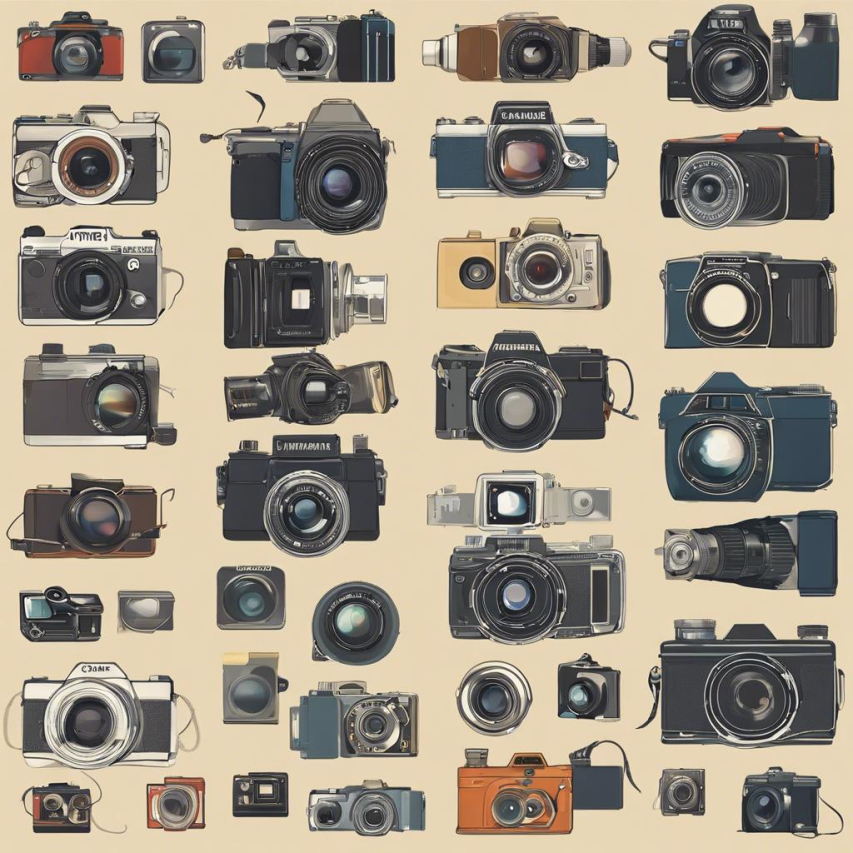

As a photography enthusiast, I have always been fascinated by the different types of cameras available for capturing short films. The world of cinema is constantly evolving, and with the rise of digital technology, there are more options than ever for filmmakers looking to bring their visions to life. In this article, we will explore the various camera types that are best suited for creating short films, and discuss the unique qualities and features that make each one a valuable tool for any budding filmmaker. Whether you’re shooting on a shoestring budget or have access to high-end equipment, there’s a camera out there that’s perfect for bringing your short film ideas to fruition. Join me as we dive into the world of camera technology and discover the best options for creating captivating short films.
Table of Contents
- Best camera types for short films
- Considerations when choosing a camera for short films
- Top recommended cameras for short film production
- Understanding the needs of short film projects
- Key features to look for in a short film camera
- Budget-friendly camera options for short films
- Comparing DSLR, mirrorless, and cinema cameras for short films
- Q&A
- To Wrap It Up
Best camera types for short films
When it comes to creating captivating short films, choosing the right camera is essential. The are those that offer high-quality video, versatility, and ease of use. There are several camera types to consider, each with its own unique features and capabilities.
One popular option for short films is the DSLR camera. DSLRs are known for their excellent image quality, interchangeable lenses, and ability to capture cinematic footage. Another great choice is the mirrorless camera, which offers similar benefits to DSLRs but in a more compact and lightweight package. For those on a budget, a smartphone camera can also be a viable option, especially with the advancements in smartphone camera technology.
Considerations when choosing a camera for short films
When it comes to creating short films, the choice of camera can have a significant impact on the overall look and feel of the finished product. Here are some important considerations to keep in mind when selecting a camera for your short film project:
1. Budget: Determine your budget for the camera and any additional equipment, such as lenses, tripods, and lighting. Consider whether you will be renting or buying the camera, as this will affect your budget allocation.
2. Resolution and Sensor Size: Consider the resolution and sensor size of the camera. Higher resolution and larger sensor sizes generally result in better image quality, especially in low light conditions. This can be crucial for capturing the visual aesthetic you desire for your short film.
3. Camera Type: Decide on the type of camera that best suits your needs. DSLR and mirrorless cameras are popular choices for short films due to their versatility and relatively low cost, while cinema cameras are designed specifically for filmmaking and offer advanced features and professional image quality.
| Camera Type | Advantages |
|---|---|
| DSLR/Mirrorless | Versatile, affordable, and portable. |
| Cinema Camera | Professional image quality, advanced features. |
4. Ease of Use: Consider the ease of use of the camera, especially if you are a beginner. Some cameras offer user-friendly interfaces and automatic settings, while others provide more manual control for experienced filmmakers.
By carefully considering these factors, you can choose a camera that will best meet your specific needs and help you bring your creative vision to life in your short films.
Top recommended cameras for short film production
When it comes to creating short films, having the right camera is essential to capturing high-quality footage and bringing your vision to life. With so many options on the market, it can be overwhelming to choose the perfect camera for your needs. Whether you’re a beginner or a seasoned filmmaker, we’ve rounded up the to help you make the best choice for your next project.
One of the most popular choices for short film production is the Sony A7S III. This mirrorless camera is known for its impressive low-light performance, 4K video capabilities, and fast autofocus, making it a versatile option for various shooting conditions. Another great option is the Canon EOS R5, which offers 8K video recording, in-body image stabilization, and a high-resolution sensor, perfect for capturing stunning visuals for your short films. For those on a budget, the Blackmagic Pocket Cinema Camera 6K is a favorite among indie filmmakers, offering a Super 35 sensor, RAW recording, and a compact design that’s easy to take on location shoots.
Understanding the needs of short film projects
When it comes to short film projects, selecting the right camera type is crucial for capturing high-quality footage. There are several camera types to consider, each with its own unique features and benefits. Understanding the specific needs of your short film project is essential for choosing the most suitable camera type.
For example, if your short film requires a lot of mobility and versatility, a compact and lightweight DSLR camera may be the best option. On the other hand, if your project demands high-resolution and professional-grade footage, a cinema camera with advanced sensor technology may be more suitable. It’s important to consider factors such as budget, shooting environment, and post-production workflow when selecting a camera type for your short film project.
| Camera Type | Features |
|---|---|
| DSLR | Compact, lightweight, versatile |
| Cinema Camera | High-resolution, professional-grade footage |
| Mirrorless | Advanced autofocus, electronic viewfinder |
In conclusion, understanding the specific needs of your short film project is essential for choosing the right camera type. By considering factors such as mobility, image quality, and budget, you can select a camera that will help you bring your creative vision to life.
Key features to look for in a short film camera
In the world of filmmaking, choosing the right camera is crucial, especially when it comes to capturing high-quality footage for a short film. There are a few key features that one should look for in a short film camera to ensure that the final product meets professional standards and is visually stunning.
1. Resolution and Image Quality
When selecting a camera for short film production, resolution and image quality are of utmost importance. Look for a camera that offers at least 1080p full HD resolution, and preferably 4K resolution for superior image clarity and detail. A high-quality sensor and lens system are also essential for capturing sharp, vibrant visuals that will make your short film stand out.
2. Low-Light Performance
Many short film projects involve shooting in various lighting conditions, including low-light environments. A camera with excellent low-light performance is essential for achieving professional-looking footage in challenging situations. Look for a camera with a wide aperture lens and advanced sensor technology to ensure that your short film looks great, even in dimly lit scenes.
3. Portability and Versatility
Portability and versatility are key features to consider when selecting a camera for short film production. A compact, lightweight camera that is easy to maneuver and can adapt to different shooting scenarios will make the filming process smoother and more efficient. Additionally, consider a camera with interchangeable lenses to provide flexibility and creative control over the visual style of your short film.
| Key Feature | Importance |
| Resolution and Image Quality | High |
| Low-Light Performance | High |
| Portability and Versatility | High |
Budget-friendly camera options for short films
When it comes to creating short films on a budget, finding the right camera is crucial. Fortunately, there are several budget-friendly options available that can still deliver high-quality footage. Whether you’re a beginner filmmaker or a seasoned pro looking to cut costs, here are some camera types to consider for your next short film project.
One popular budget-friendly option is the DSLR camera. These cameras are not only affordable but also versatile, making them great for capturing cinematic shots. Another option to consider is a mirrorless camera, which offers similar benefits to DSLRs but in a more compact and lightweight package. Additionally, action cameras like a GoPro can be an excellent choice for capturing dynamic and immersive footage, especially for action-packed short films.
| Camera Type | Key Features |
|---|---|
| DSLR | Affordable, versatile, great for cinematic shots |
| Mirrorless | Compact, lightweight, similar benefits to DSLRs |
| Action Camera (e.g., GoPro) | Dynamic, immersive footage, ideal for action-packed short films |
Comparing DSLR, mirrorless, and cinema cameras for short films
When it comes to creating short films, choosing the right camera is crucial. There are several types of cameras available, each with its own unique features and benefits. DSLR cameras are known for their versatility, affordability, and ability to produce high-quality images. Mirrorless cameras, on the other hand, are lightweight, compact, and offer advanced autofocus capabilities. Cinema cameras are designed specifically for filmmaking, providing professional-grade image quality and a wide range of cinematic features. So, which type of camera is best for short films? Let’s take a closer look at the differences between DSLR, mirrorless, and cinema cameras to help you make an informed decision.
| Camera Type | Advantages | Disadvantages |
| DSLR | Versatile, affordable, high-quality images | Bulky, limited video features |
| Mirrorless | Lightweight, compact, advanced autofocus | Short battery life, limited lens options |
| Cinema | Professional-grade quality, cinematic features | Expensive, requires additional accessories |
Ultimately, the best camera for short films depends on your specific needs and budget. If you’re a beginner filmmaker looking for an affordable option with decent video capabilities, a DSLR camera may be the way to go. However, if you prioritize portability and advanced autofocus, a mirrorless camera could be the ideal choice. For filmmakers aiming for professional-level quality and cinematic features, investing in a cinema camera would be the best route. Regardless of your decision, the key is to carefully consider the features and capabilities of each camera type to ensure it aligns with your filmmaking goals.
Q&A
Q: What are the best camera types for short films?
A: When it comes to short films, the best camera types are usually mirrorless cameras or DSLRs due to their portability and high quality video capabilities.
Q: Why are mirrorless cameras and DSLRs popular for short films?
A: Mirrorless cameras and DSLRs are popular for short films because they are versatile, offer interchangeable lenses, and can produce professional-quality video.
Q: Are there any other camera types that are suitable for short films?
A: Yes, camcorders and cinema cameras are also suitable for short films as they are designed specifically for video production.
Q: What features should filmmakers look for when choosing a camera for short films?
A: Filmmakers should look for cameras with good low light performance, high resolution, and the ability to shoot in 4K or higher.
Q: Are there any budget-friendly camera options for short films?
A: Yes, there are budget-friendly options such as entry-level mirrorless cameras, DSLRs, and camcorders that still offer good video quality for short films.
Q: What are some tips for choosing the right camera for a short film project?
A: It’s important to consider the specific needs of the project, such as the shooting environment, desired aesthetic, and budget, when choosing a camera for a short film project. Additionally, researching and testing out different camera options can help filmmakers make an informed decision.
To Wrap It Up
So there you have it, a breakdown of the different camera types for short filmmaking. Whether you’re using a smartphone, a DSLR, a mirrorless camera, or a professional cinema camera, the key is to use the right tool for the job and make the most of what you have. Each camera type has its own strengths and limitations, so it’s important to factor those in when choosing the best camera for your short film project. Ultimately, the most important thing is to focus on telling a compelling story and using the camera as a tool to bring that story to life. So go out there, experiment with different camera types, and find the one that best suits your creative vision. Happy shooting!