
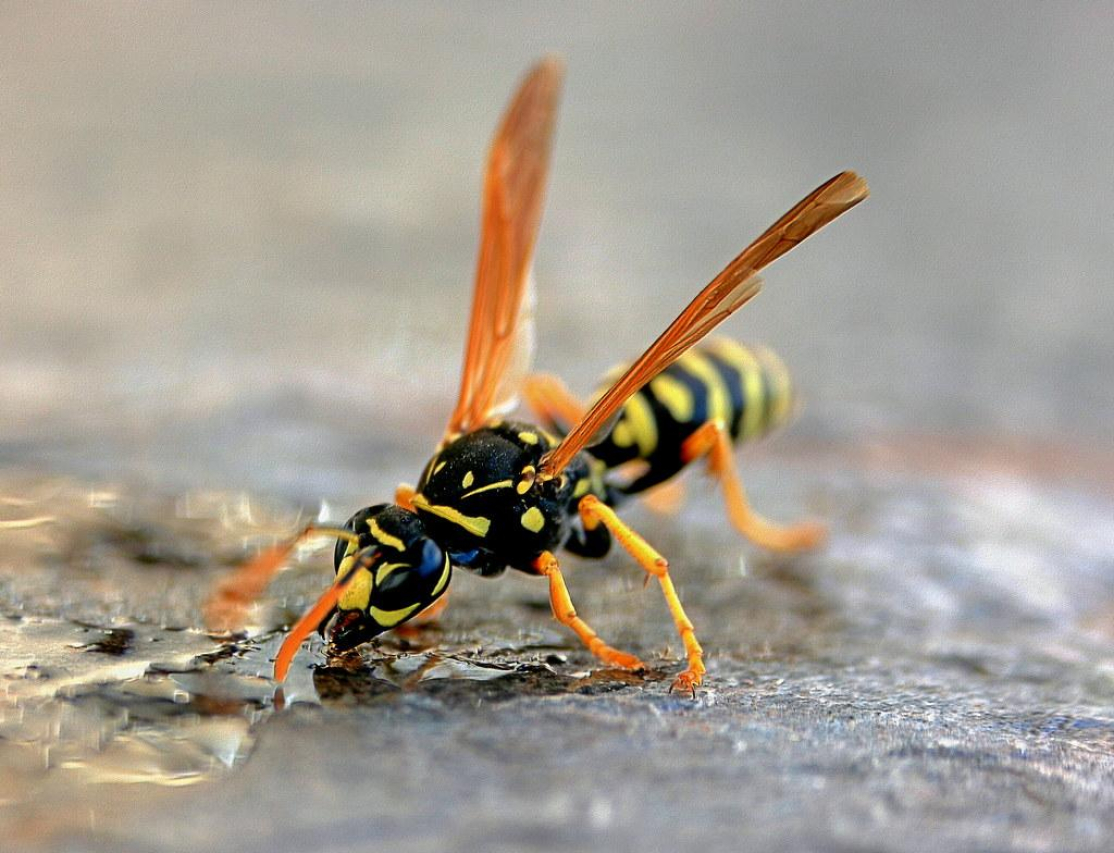

Yellowjackets have long been a subject of fascination for scientists and nature enthusiasts alike. These distinctive insects have sparked numerous theories about their behavior, social structure, and ecological impact. In this article, we will explore some of the most prominent theories surrounding yellowjackets, shedding light on these enigmatic creatures and their place in the natural world.
Table of Contents
- Yellowjackets Theories: Understanding the Behavior and Biology
- The Role of Yellowjackets in Ecosystems and Agriculture
- Controlling and Preventing Yellowjacket Infestations
- Yellowjacket Sting Treatment and Prevention
- Identifying Yellowjacket Species and Nests
- Q&A
- In Retrospect
Yellowjackets Theories: Understanding the Behavior and Biology
Yellowjackets are a common type of wasp known for their aggressive behavior and painful stings. Understanding the behavior and biology of yellowjackets is essential for successful pest control and prevention. There are many theories about yellowjackets and their behavior, and gaining a deeper understanding can help in effectively managing these insects.
**Behavior**:
– Yellowjackets are known for their aggressive nature, especially when their nests are disturbed.
– They are scavengers and are attracted to sweet foods, meats, and other insects.
– Yellowjackets are social insects, living in colonies with a queen, workers, and drones.
**Biology**:
– The life cycle of a yellowjacket starts with the queen laying eggs in the spring, which hatch into larvae and eventually develop into workers.
– The colony grows throughout the summer, and new queens and males are produced in the fall for mating.
– Cold temperatures in the winter lead to the death of the colony, except for the newly mated queens, who hibernate until the following spring.
Understanding the behavior and biology of yellowjackets can help in implementing effective pest control measures and prevent unwanted encounters with these stinging insects. It’s important to exercise caution and seek professional help when dealing with yellowjacket infestations to ensure safety and effective management.
The Role of Yellowjackets in Ecosystems and Agriculture
Yellowjackets, scientifically known as Vespula spp., play a significant role in ecosystems and agriculture. While often regarded as pests due to their aggressive behavior, their presence in nature serves several essential purposes. Let’s delve into the various theories surrounding .
**Pollination:**
One of the key roles of yellowjackets in ecosystems is their contribution to pollination. These insects are known to visit flowers in search of nectar, inadvertently transferring pollen from one flower to another. While they may not be as effective as bees in pollination, they still play a part in the reproductive processes of certain plant species.
**Predation:**
Yellowjackets are predatory insects, feeding on a variety of small insects and other arthropods. This helps to control the populations of potential pests in agricultural settings. By preying on insects that harm crops, yellowjackets indirectly contribute to the health and productivity of agricultural ecosystems.
**Decomposition:**
Another theory suggests that yellowjackets assist in the process of decomposition. These insects scavenge on carrion and other organic matter, aiding in the breakdown of dead organisms and recycling nutrients back into the soil. This role is particularly crucial in natural ecosystems, where decomposition is essential for nutrient cycling and overall ecosystem health.
Overall, while yellowjackets may instill fear in many people, it’s important to recognize the valuable roles they play in maintaining the balance of ecosystems and supporting agricultural practices.
Controlling and Preventing Yellowjacket Infestations
Yellowjackets are aggressive insects that can pose a threat to human and animal safety, especially during the warmer months. is crucial in maintaining a safe and pest-free environment. There are various theories and methods that can be used to effectively manage and eradicate yellowjacket populations.
One theory suggests that yellowjackets are attracted to certain food sources, such as sugary substances and proteins. By eliminating or minimizing access to these food sources, it may be possible to deter yellowjackets from infesting an area. Additionally, sealing outdoor garbage bins and disposing of food waste properly can help reduce the attraction of yellowjackets.
Another theory involves the use of traps and baits to capture and kill yellowjackets. There are various commercially available traps that are specifically designed to attract and capture yellowjackets. These traps typically use sweet-smelling baits to lure the insects, and once inside, they are unable to escape. By strategically placing these traps in areas where yellowjackets are often seen, it is possible to significantly reduce their population.
In summary, requires a combination of strategies, including minimizing access to food sources and using traps and baits. By implementing these theories and methods, it is possible to effectively manage yellowjacket populations and minimize the risk of infestations.
Yellowjacket Sting Treatment and Prevention
When it comes to yellowjacket stings, there are several theories on how to best treat and prevent them. These stinging insects can cause painful reactions, and it’s important to be prepared to deal with them. Here, we’ll explore some of the most effective methods for treating and preventing yellowjacket stings.
One theory for treating yellowjacket stings is to use a combination of ice and over-the-counter pain relievers to reduce swelling and discomfort. Another theory suggests using a paste made of water and baking soda to provide relief from itching and pain. To prevent yellowjacket stings, it’s important to take precautions such as avoiding sweet-smelling foods and wearing protective clothing when outdoors.
Identifying Yellowjacket Species and Nests
Yellowjackets are a common stinging insect found in many parts of the world. Identifying the different species of yellowjackets and their nests is important for effective pest control and management. Knowing the characteristics of these insects and their habitats can help homeowners and pest control professionals take the necessary steps to prevent yellowjacket infestations.
Identifying Yellowjacket Species: There are several species of yellowjackets, but the most common ones found in North America are the Eastern yellowjacket, the Western yellowjacket, and the German yellowjacket. Each species has distinct physical characteristics that can help in their identification, such as body coloration, size, and markings. It is essential to be able to distinguish between these species to determine the appropriate treatment for infestations.
Identifying Yellowjacket Nests: Yellowjacket nests are often located in underground burrows, but they can also be found in other secluded areas such as wall voids, attics, and tree hollows. The nests are typically made of paper-like material and can reach impressive sizes as the colony grows. Being able to identify the location of a yellowjacket nest is crucial for safe and effective removal.
Q&A
Q: What are yellowjackets theories?
A: Yellowjackets theories refer to the various hypotheses and explanations surrounding the behavior and ecology of yellowjacket wasps.
Q: What are some common theories about yellowjackets?
A: Some common theories about yellowjackets include their role as pollinators, their aggressive behavior, and their potential impact on the environment.
Q: What is the significance of these theories?
A: Understanding yellowjackets theories can help researchers and scientists better comprehend the behavior and ecological role of these insects, ultimately leading to improved pest control measures and environmental management.
Q: How do yellowjackets theories inform pest control efforts?
A: By understanding the behavior and ecology of yellowjackets, pest control professionals can develop more effective strategies for managing and controlling yellowjacket populations, minimizing their impact on human activities and ecosystems.
Q: What are some ongoing research areas related to yellowjackets theories?
A: Ongoing research related to yellowjackets theories include their interactions with other insect species, their impact on agricultural crops, and potential approaches for integrated pest management.
In Retrospect
In conclusion, the various theories about yellowjackets provide a fascinating look into the behavior and ecology of these stinging insects. While much is still unknown about their motivations and social dynamics, researchers continue to study and uncover new insights into the world of yellowjackets. Whether it be for the protection of their nest, the procurement of food, or the intricacies of their social structure, the theories discussed here shed light on the complex nature of these insects. As we continue to learn more, it is important to approach yellowjackets with caution and respect, while also appreciating the invaluable role they play in the ecosystem.