
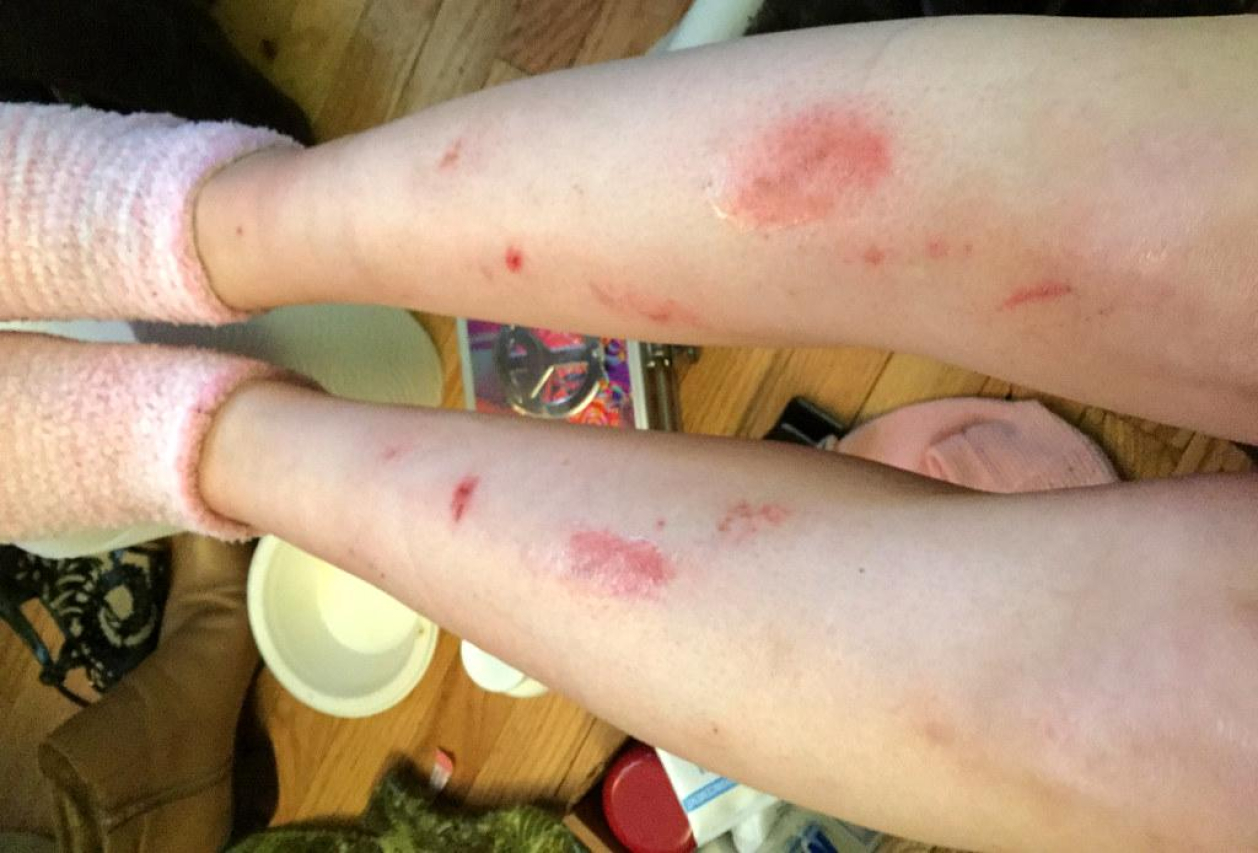

Hydroquinone has been the go-to treatment for hyperpigmentation and dark spots for decades. With its ability to lighten the skin and even out tone, it has been a game-changer for those dealing with skin discoloration. In this article, we’ll explore the before and after effects of hydroquinone and how it has helped transform the skin of countless individuals. From understanding its mechanism of action to exploring real-life success stories, we’ll delve into the world of hydroquinone and its remarkable impact on skin transformation.
Table of Contents
- Understanding Hydroquinone’s Effects on Hyperpigmentation
- Before and After: Real Results of Hydroquinone Usage
- Hydroquinone: Potential Side Effects and Precautions
- Expert Tips for Achieving Optimal Results with Hydroquinone
- Q&A
- Concluding Remarks
Understanding Hydroquinone’s Effects on Hyperpigmentation
Hydroquinone is a powerful ingredient that is commonly used to treat hyperpigmentation, including dark spots, melasma, and age spots. It works by decreasing the production of melanin in the skin, which is the pigment that gives skin its color. When used consistently, hydroquinone can effectively lighten and even out the skin tone.
Before using hydroquinone, it’s important to understand its potential effects and how it can improve hyperpigmentation. Patients should have realistic expectations and be aware of the possible side effects. Here are some key points to consider before and after using hydroquinone:
- Before: Prior to using hydroquinone, it’s essential to consult with a dermatologist to determine if it’s the right treatment for your specific skin concerns. Discuss your medical history and any potential allergies to ensure it’s safe for you to use.
- After: After using hydroquinone, it’s important to follow your dermatologist’s post-treatment instructions carefully. This may include using sunscreen daily to protect your skin from further sun damage and avoiding prolonged sun exposure. Additionally, it’s crucial to monitor your skin for any potential adverse reactions and report them to your healthcare provider.
Before and After: Real Results of Hydroquinone Usage
People who struggle with skin discoloration, dark spots, and hyperpigmentation often turn to hydroquinone as a potential solution. This powerful skin-lightening agent has been widely used for many years, and many users have reported remarkable before and after results. Before using any new product, it’s essential to know what to expect and whether it’s the right choice for you.
Hydroquinone Before and After: What to Expect
Before starting a hydroquinone regimen, it’s crucial to understand both the potential benefits and the possible side effects. Here are some of the most common results from hydroquinone usage:
- Reduction in the appearance of dark spots and hyperpigmentation
- Evening out of skin tone
- Improvement in overall skin texture and appearance
- Possible skin irritation, redness, or dryness
Real Results of Hydroquinone Usage
For many individuals, the real results of hydroquinone usage can be life-changing. By reducing the appearance of dark spots and evening out skin tone, hydroquinone can promote a more radiant, confident complexion. However, it’s crucial to consult with a dermatologist before starting hydroquinone treatment to ensure it’s the best choice for your skin type and condition.
Hydroquinone: Potential Side Effects and Precautions
Potential Side Effects:
Hydroquinone is a widely-used topical agent for the treatment of hyperpigmentation, including melasma, age spots, and post-inflammatory hyperpigmentation. While it can be highly effective in reducing the appearance of dark spots and creating a more even skin tone, there are potential side effects that users should be aware of before starting treatment. Some of the most common side effects of hydroquinone include:
– Redness
- Itching
– Dryness
– Irritation
– Burning
– Discoloration of the skin
It’s important to note that these side effects are typically mild and temporary, and they can often be managed by using a lower concentration of hydroquinone or by adjusting the frequency of use. However, in some cases, more serious side effects such as allergic reactions, severe burning, or blistering may occur. If you experience any of these more serious side effects, it’s important to discontinue use and consult with a healthcare professional.
Precautions:
Before using hydroquinone, it’s important to take certain precautions to ensure the safe and effective use of this topical agent. Some of the key precautions to keep in mind include:
- Avoiding the use of hydroquinone on broken or irritated skin
- Using sunscreen and avoiding sun exposure while using hydroquinone, as it can increase the risk of sunburn
- Avoiding the use of other potentially irritating skin care products, such as exfoliants and astringents, while using hydroquinone
– Using hydroquinone as directed and not exceeding the recommended duration of use
By taking these precautions and being aware of the potential side effects, individuals can use hydroquinone safely and effectively to achieve a more even skin tone and reduce the appearance of dark spots.
Expert Tips for Achieving Optimal Results with Hydroquinone
Hydroquinone is a popular skincare ingredient known for its ability to lighten dark spots and hyperpigmentation. Many people turn to hydroquinone to achieve a more even skin tone and reduce the appearance of blemishes. However, achieving optimal results with hydroquinone requires a thorough understanding of how to use it effectively. In this post, we will share expert tips for getting the best results with hydroquinone, including before and after use.
**Consistency is Key**: To achieve optimal results with hydroquinone, it’s important to be consistent with your application. Use it as directed by your dermatologist or as indicated on the product packaging. Skipping applications or using it sporadically can hinder its effectiveness.
**Sun Protection**: Hydroquinone can make your skin more sensitive to the sun, so it’s crucial to apply sunscreen daily. Sun protection is essential to prevent further darkening of the skin and to maintain the results you achieve with hydroquinone.
**Patience is a Virtue**: Hydroquinone can take time to show significant results, so it’s important to be patient. It can take several weeks to months of consistent use before you start to see visible improvements in your skin tone and hyperpigmentation. Stick with it, and you will likely see the desired results over time.
In the table below, we’ve outlined a simple skincare routine for using hydroquinone effectively:
| **Morning** | **Evening** |
|———————|————————|
| Cleanser | Cleanser |
| Toner | Toner |
| Antioxidant serum | Hydroquinone |
| Moisturizer | Moisturizer |
| Sunscreen | Gentle exfoliation |
Following these expert tips and incorporating a simple skincare routine can help you achieve optimal results with hydroquinone. As always, be sure to consult with a dermatologist before introducing new products into your skincare regimen.
Q&A
Q: What is hydroquinone and what is it used for?
A: Hydroquinone is a skin-lightening agent used to treat hyperpigmentation, dark spots, and melasma.
Q: What are the potential benefits of using hydroquinone?
A: Hydroquinone can significantly lighten dark spots and even out skin tone, leading to a more radiant and even complexion.
Q: Are there any potential risks or side effects associated with hydroquinone use?
A: Some potential side effects of hydroquinone use include skin irritation, redness, and dryness. Long-term use of high concentrations of hydroquinone may also lead to a condition called ochronosis, characterized by bluish-black pigmentation of the skin.
Q: How long does it generally take to see results from using hydroquinone?
A: Results from using hydroquinone can vary, but many people start to see improvement in their skin within 4-6 weeks of consistent use.
Q: Can hydroquinone be used on all skin types and tones?
A: While hydroquinone can be used on most skin types and tones, it is important to note that it may not be suitable for individuals with very dark skin as it can potentially cause unwanted lightening in unaffected areas.
Q: What precautions should be taken when using hydroquinone?
A: It is important to use sunscreen and avoid excessive sun exposure while using hydroquinone as the skin may be more sensitive to UV damage. Additionally, it is recommended to only use hydroquinone under the guidance of a dermatologist.
Q: Can hydroquinone be used in conjunction with other skincare products or treatments?
A: It is generally safe to use hydroquinone alongside other skincare products, but it is best to consult with a dermatologist to ensure compatibility with other treatments. Avoiding potential irritants or exfoliants can also help prevent any adverse reactions.
Q: Are there any natural alternatives to hydroquinone for treating hyperpigmentation?
A: Some natural alternatives to hydroquinone for treating hyperpigmentation include ingredients such as kojic acid, vitamin C, licorice root extract, and niacinamide. These can have skin-lightening properties and may be suitable for those looking for alternatives to hydroquinone.
Concluding Remarks
In conclusion, hydroquinone can be an effective solution for skin hyperpigmentation when used responsibly and under the guidance of a healthcare professional. While its before and after results can be quite remarkable, it is important to approach its usage with caution and to always prioritize the health and safety of your skin. As with any skincare treatment, results may vary from person to person, so it is crucial to consult with a professional before incorporating hydroquinone into your skincare routine. Remember, achieving healthy and radiant skin requires patience, diligence, and informed decisions.