
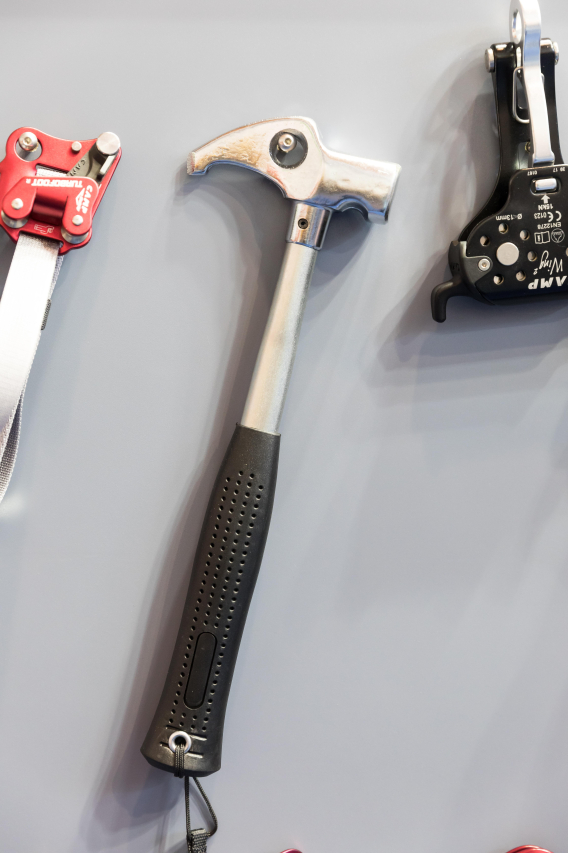

In the world of tools, one family reigns supreme – the mighty hammer family. A symbol of strength and versatility, hammers come in a variety of shapes and sizes, each with its own unique purpose. From the iconic claw hammer to the formidable sledgehammer, these tools have been a staple in workshops and construction sites for generations. Join us as we take a closer look at the diverse and fascinating world of the hammer family.
Table of Contents
- Meet the Hammer Family: A Comprehensive Guide to Different Types of Hammers
- The Evolution of the Hammer Family: From Ancient Tools to Modern Innovations
- Choosing the Right Hammer for the Job: Tips and Tricks for DIY Enthusiasts
- Exploring the Specialized Hammers: From Claw Hammers to Sledgehammers
- Mastering Safety and Proper Technique: Essential Guidelines for Using Hammers
- The Hammer Family Toolbox: Must-Have Accessories and Maintenance Tips
- Beyond Nails: Creative and Unconventional Uses for Hammers
- Q&A
- In Retrospect
Meet the Hammer Family: A Comprehensive Guide to Different Types of Hammers
The world of hammers is vast and varied, with each type serving its own unique purpose. From the classic claw hammer to the versatile ball peen hammer, there are numerous options to choose from when it comes to finding the right tool for the job. In this comprehensive guide, we’ll take a closer look at the different types of hammers that make up the hammer family, exploring their uses, features, and benefits.
First up is the claw hammer, perhaps the most iconic of all hammers. This versatile tool features a flat face for driving nails and a curved ”claw” for removing them, making it an essential for any toolbox. Next, we have the ball peen hammer, which is distinguished by its rounded peen on one side and a flat face on the other. This type of hammer is commonly used in metalworking, shaping metal materials and setting rivets. Moving on, we have the sledgehammer, a large and heavy-duty tool designed for heavy-duty jobs such as demolition and driving stakes. With its long handle and weighty head, the sledgehammer packs a powerful punch, making it ideal for breaking through tough materials. Additionally, we’ll explore the framing hammer, the mallet, and many others, each with its own unique features and uses within the hammer family.
In conclusion, understanding the different types of hammers is essential for selecting the right tool for the task at hand. Whether you’re a professional tradesperson or a DIY enthusiast, having a diverse range of hammers in your arsenal will ensure that you’re always prepared for any job. So, the next time you find yourself in need of a hammer, consider the specific requirements of your project and choose the type that best suits your needs. With the right hammer in hand, you’ll be well-equipped to tackle any job with confidence and precision.
The Evolution of the Hammer Family: From Ancient Tools to Modern Innovations
The evolution of the hammer family has been a fascinating journey that dates back to ancient times. From simple stone tools to modern innovations, hammers have played a crucial role in shaping human history and technological advancements. Let’s take a closer look at the evolution of this essential tool and how it has evolved over the centuries.
**Ancient Tools:**
In ancient times, hammers were made from materials such as stone, wood, and bone. These primitive tools were used for a variety of purposes, from hunting and crafting to building and warfare. The design of these early hammers was basic, consisting of a handle with a weighted head attached. Despite their simplicity, these ancient hammers laid the foundation for future innovations and served as the building blocks for the development of more advanced tools.
**Medieval Advancements:**
During the medieval period, hammers underwent significant advancements in design and functionality. Blacksmiths began crafting hammers with metal heads, allowing for greater durability and precision in their use. The introduction of different hammer shapes, such as the claw hammer and ball-peen hammer, expanded the tool’s versatility and made it an essential part of various trades. As society progressed, hammers became increasingly specialized for specific tasks, giving rise to a diverse range of tools within the hammer family.
Choosing the Right Hammer for the Job: Tips and Tricks for DIY Enthusiasts
When it comes to DIY projects, having the right tools on hand is essential for getting the job done efficiently and effectively. When it comes to hammers, there are a wide variety of options to choose from, each designed for specific tasks. Understanding the different types of hammers available, their uses, and what to look for when selecting one will help you make the best choice for your DIY project.
There are several different types of hammers to choose from, each with its own unique features and benefits. The most common types of hammers include claw hammers, ball-peen hammers, sledgehammers, and framing hammers. Each type of hammer is designed for specific tasks and materials, so it’s important to know what you’ll be using the hammer for before making a selection. For example, if you’ll be driving nails into wood, a claw hammer with a straight claw may be your best bet. On the other hand, if you’ll be working with metal, a ball-peen hammer with a flat face and rounded peen may be more suitable. Take the time to familiarize yourself with the different types of hammers and their uses to ensure you make the best choice for your DIY project.
When selecting a hammer, there are a few key factors to consider. The weight of the hammer is important, as it will impact the force you’re able to generate. Heavier hammers are better for driving larger nails or working with dense materials, while lighter hammers may be more suitable for precision work. Additionally, consider the handle material and grip. A comfortable, non-slip grip can help you maintain control and prevent hand fatigue during extended use. Finally, consider the overall quality and durability of the hammer to ensure it will hold up to the demands of your DIY projects. By considering these factors and understanding the different types of hammers available, you can make an informed decision and choose the right hammer for the job.
Exploring the Specialized Hammers: From Claw Hammers to Sledgehammers
When it comes to tools, hammers are arguably one of the most essential items in any toolkit. From driving nails to breaking through tough materials, hammers come in a variety of specialized forms, each designed for a specific purpose. Let’s explore the hammer family, from the classic claw hammers to the heavy-duty sledgehammers.
Claw Hammer
The claw hammer is perhaps the most familiar and commonly used type of hammer. It features a flat striking surface on one end for driving nails and a split, curved “claw” on the other end for pulling nails out. This versatile tool is a staple in any toolbox, perfect for a wide range of household and construction tasks. With its lightweight design and ease of use, the claw hammer is a must-have for DIY enthusiasts and professionals alike.
Ball Peen Hammer
The ball peen hammer, also known as a machinist’s hammer, is characterized by its rounded peen opposite the striking face. This design is ideal for shaping metal and closing rivets, making it a valuable tool for metalworkers and machinists. The ball peen hammer comes in various sizes and weights to accommodate different tasks, from delicate precision work to heavy-duty metalworking projects.
Mastering Safety and Proper Technique: Essential Guidelines for Using Hammers
Mastering the art of using hammers is essential for any DIY enthusiast or professional tradesperson. By understanding the safety guidelines and proper techniques, you can ensure maximum efficiency and minimize the risk of accidents. Here are some essential guidelines for using hammers effectively and safely:
Safety Guidelines:
– Always wear appropriate personal protective equipment, such as safety goggles and gloves, to protect yourself from flying debris and potential hand injuries.
– Ensure the work area is clear of any obstructions and that there is enough space to swing the hammer without hitting anything or anyone.
– Inspect the hammer for any defects or damages before each use, and replace it if necessary to prevent accidents.
Proper Technique:
– Hold the hammer firmly with a secure grip to maintain control and accuracy during each strike.
– Position yourself at a comfortable distance from the workpiece, keeping your feet shoulder-width apart to provide stability.
– Use the full range of motion in your arm and shoulder to generate power in your swings, ensuring that the force is applied directly to the target.
By following these essential guidelines, you can master the safety and proper technique required for using hammers effectively and safely. Whether you’re driving nails, breaking concrete, or shaping metal, the right approach will ensure success in your hammer-related tasks. Remember, safety always comes first, so take the time to familiarize yourself with these guidelines before picking up a hammer for any project.
The Hammer Family Toolbox: Must-Have Accessories and Maintenance Tips
Every handyman or DIY enthusiast understands the importance of having a well-equipped toolbox, and when it comes to essential tools, the hammer family reigns supreme. Whether you’re a professional contractor or a weekend warrior, having the right accessories and knowing how to maintain your hammers can make all the difference in your projects.
One must-have accessory for any hammer family toolbox is a sturdy nail pouch or apron. This convenient accessory allows you to keep your nails, screws, and other small tools within easy reach, saving you time and effort during your projects. Another essential accessory is a set of interchangeable hammer heads. Whether it’s a claw hammer, ball peen hammer, or sledgehammer, having interchangeable heads ensures that you have the right tool for the job at hand.
When it comes to maintenance, keeping your hammers in top condition is crucial for ensuring their longevity and performance. Regularly inspect the handles for cracks or splinters, and replace them as needed. Additionally, keep the hammer heads clean and free of rust by wiping them down with a cloth and applying a light coat of oil after each use. By investing in the right accessories and regularly maintaining your hammers, you can ensure that your hammer family toolbox is always ready for any project that comes your way.
Beyond Nails: Creative and Unconventional Uses for Hammers
Hammer is a versatile tool that has been used for centuries for various purposes other than driving nails. The hammer family includes an array of tools, each designed for specific tasks. Here are some creative and unconventional uses for hammers that go beyond just nails:
Prying: Hammers with claw-like features can be used for prying apart materials such as wood, metal, or even removing stubborn nails.
Blacksmithing: Larger hammers, like sledgehammers, are commonly used in blacksmithing to shape and manipulate hot metal.
Cracking: A hammer can be used to crack open nuts, shells, or even ice, making it a handy tool in the kitchen or for outdoor activities.
Forging: Forging smaller metal items or jewelry can be accomplished with a ball-peen hammer, which allows for precise shaping and detailing.
Sculpting: Artists and craftspeople often use hammers to shape and sculpt materials such as stone, wood, or metal.
The concept of repurposing traditional tools like hammers for unconventional uses not only showcases their versatility but also allows for creativity and innovation. Whether it’s in the workshop, kitchen, or art studio, the diverse functionality of hammers is a testament to their enduring importance in various industries and everyday activities.
| Hammer Type | Unconventional Use |
|---|---|
| Claw Hammer | Prying apart materials |
| Sledgehammer | Blacksmithing and heavy-duty tasks |
| Ball-peen Hammer | Forging and sculpting |
Q&A
Q: Who are the members of the hammer family and what are they known for?
A: The hammer family consists of various species of animals known for their unique hammer-shaped head, which they use to navigate their environment and catch prey.
Q: What types of animals belong to the hammer family?
A: The most well-known members of the hammer family are the hammerhead sharks, which are found in oceans around the world. Additionally, there are also several species of fish and insects that belong to this family.
Q: What is the purpose of the hammer-shaped head of these animals?
A: The hammer-shaped head of these animals serves a variety of purposes, including improved vision, enhanced maneuverability, and better sensory perception. It also helps them catch prey more effectively.
Q: How do these animals use their unique head shape?
A: Hammerhead sharks use their wide, flat heads to detect the electric fields generated by their prey, allowing them to locate and capture their food more efficiently. Additionally, the wide-set eyes give them a 360-degree view of their surroundings, making it easier to spot potential prey.
Q: Are there any unique behaviors associated with the hammer family?
A: Hammerhead sharks are known for their schooling behavior, often gathering in large groups to hunt together. This cooperative behavior sets them apart from other shark species and is believed to increase their success in catching prey.
Q: What are some interesting facts about the hammer family?
A: One of the most fascinating facts about the hammer family is that the shape of their heads is believed to have evolved as a way to improve their hunting abilities. Additionally, hammerhead sharks are known for their incredible migratory patterns, with some individuals traveling thousands of miles each year.
In Retrospect
In conclusion, the hammer family has left a lasting impact on the world of tools and construction. From the humble beginnings of the simple hand tool to the modern advancements in power tools, the legacy of the hammer family continues to shape the way we build and create. Whether it’s the trusty claw hammer in your toolbox or the high-tech nail gun on a construction site, the hammer family’s influence is undeniable. So the next time you pick up a hammer, take a moment to appreciate the long history and innovation that has brought this essential tool to where it is today. After all, the hammer family is truly a testament to the power of simple yet effective design.