
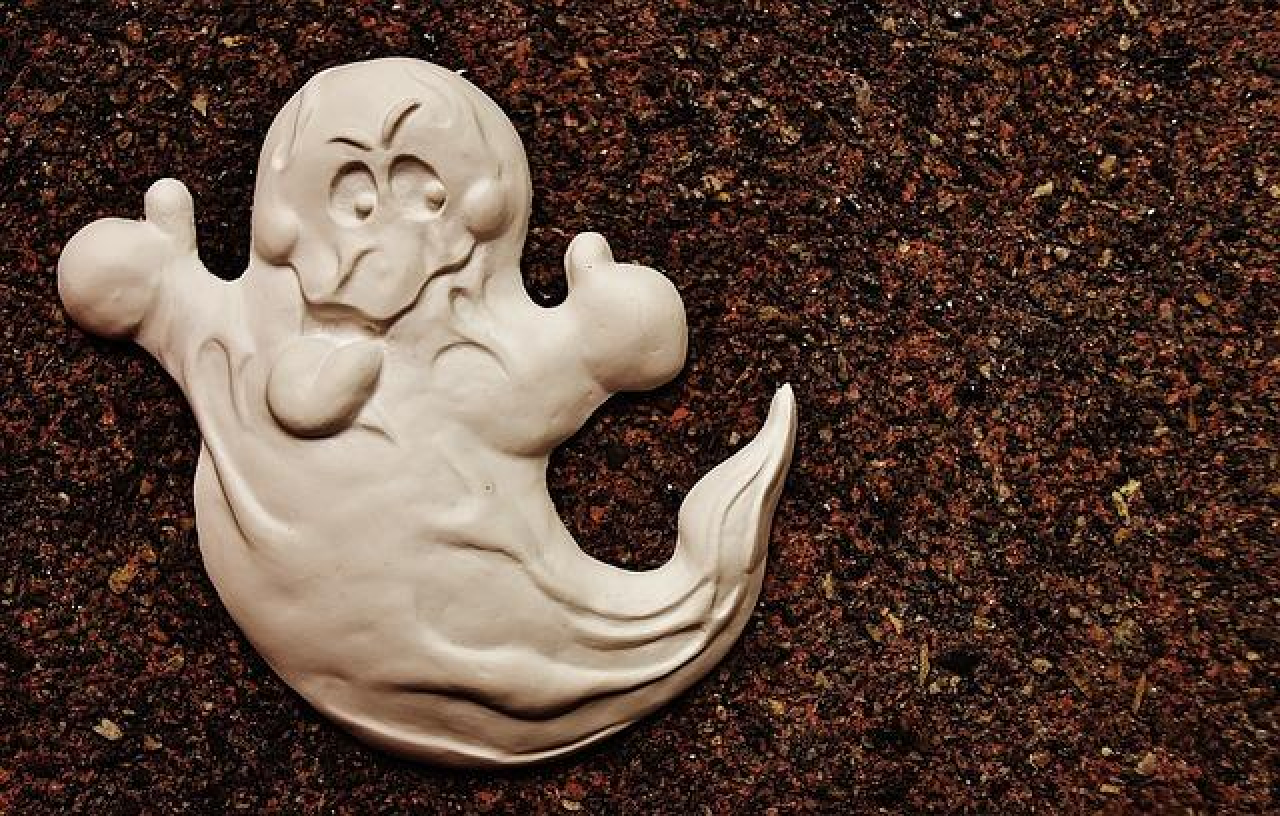

Deep in the heart of the old Victorian mansion, a lingering presence haunts the hallways. A foreboding energy seeps from the walls, as if the house itself holds a memory of its former inhabitants. These lingering spirits, known as “ghosts cast,” are said to still inhabit the abandoned estate, leaving an eerie imprint on anyone who dares to enter. Join us as we explore the mysterious world of “ghosts cast” and uncover the spine-tingling tales that have been passed down through generations.
Table of Contents
- Mysterious Encounters: The Phenomenon of Ghosts
- Unraveling the History and Folklore Behind Ghosts
- Exploring the Psychological and Paranormal Explanations
- Are Ghosts Real? Debunking Myths and Exploring Evidence
- Understanding the Impact of Ghosts on Culture and Society
- Tips for Ghost Hunting and Paranormal Investigations
- Coping with Fear and Anxiety Related to Ghost Sightings
- Respecting the Legacy of Ghosts: Honoring Haunted Locations
- Q&A
- The Conclusion
Mysterious Encounters: The Phenomenon of Ghosts
Ghosts have been a part of human culture and folklore for centuries, with countless reports of encounters and sightings around the world. From the haunted castles of Europe to the ghostly apparitions in the United States, the phenomenon of ghosts has captured the imagination of people from all walks of life. But what exactly are ghosts, and why do they continue to fascinate and terrify us?
The concept of ghosts is deeply ingrained in many cultures, with stories and legends passed down through generations. While skeptics may dismiss ghostly encounters as mere superstition or imagination, there are countless reports of unexplained phenomena that defy rational explanation. From strange sounds and disembodied voices to apparitions and sudden drops in temperature, the evidence for the existence of ghosts is compelling. Whether you believe in the paranormal or not, there’s no denying the allure of a good ghost story. People love to be spooked, and ghostly encounters provide endless entertainment in the form of books, movies, and TV shows.
**Why do people believe in ghosts?**
– Fear of the unknown
– Cultural influences
– Personal experiences
**Types of ghostly encounters**
1. Apparitions
2. Poltergeists
3. Residual hauntings
As long as the mystery of ghosts remains unsolved, people will continue to seek out the thrill of a potential encounter. Whether you’re a skeptic or a true believer, the phenomenon of ghosts will likely continue to intrigue and captivate the human imagination for generations to come.
Unraveling the History and Folklore Behind Ghosts
The concept of ghosts has been a part of human culture and folklore for centuries, with tales and legends about these supernatural beings passed down from generation to generation. From apparitions to haunted houses, the idea of spirits lingering in the earthly realm has captured the imagination of people all over the world. But where did these beliefs and stories originate, and what do they tell us about our collective human experience?
**History of Ghosts:**
The concept of ghosts can be traced back to ancient civilizations such as the Egyptians, Greeks, and Romans, who believed in the existence of a spirit or soul that could linger on after death. In medieval Europe, the idea of ghosts and hauntings became intertwined with Christianity, as the souls of the departed were believed to be caught between the earthly realm and the afterlife. As exploration and discovery expanded, so did the stories of ghosts, as sailors reported encountering spirits at sea and settlers in the New World shared tales of haunted places.
**Folklore Surrounding Ghosts:**
Folklore surrounding ghosts is as diverse as the cultures that believe in them. From the vengeful spirits of Japanese folklore to the friendly apparitions in Irish tales, the stories of ghosts have captivated people all over the world. Beliefs about ghosts have been used to explain natural phenomena, to caution against certain behaviors, and to provide comfort to those who have lost loved ones. Whether they are portrayed as malevolent or benevolent, ghosts continue to be a fascinating and enduring part of our shared human narrative.
Exploring the Psychological and Paranormal Explanations
When it comes to unexplained phenomena, the psychological and paranormal explanations often come into play. Some people believe that ghost sightings and supernatural experiences can be attributed to the workings of the human mind, while others are firm believers in the existence of spirits from beyond the grave. Let’s explore these two fascinating and sometimes overlapping explanations.
Psychological Explanations:
– Pareidolia: This is the psychological phenomenon where the brain perceives familiar patterns, such as faces, in random stimuli like clouds or shadows. Some believe that ghost sightings may be a result of pareidolia, where the brain creates a recognizable image out of ambiguous visual cues.
– Environmental Factors: Environmental factors, such as low light levels, electromagnetic fields, and infrasound, have been suggested to play a role in creating the feeling of a haunting. These factors can affect a person’s perception and lead them to believe they are experiencing something paranormal when, in reality, it is a natural occurrence.
Paranormal Explanations:
– Spirit Manifestations: Many people believe that apparitions and paranormal activity are evidence of the existence of spirits. These believers point to personal experiences, historical accounts, and evidence captured through technology as proof of supernatural entities interacting with the physical world.
– Haunted Locations: Some places are believed to be inherently haunted due to their history, events that have taken place there, or the spiritual energy they hold. These locations are said to attract paranormal activity and provide evidence of an otherworldly presence.
Whether one leans towards psychological or paranormal explanations, the phenomenon of ghost sightings and supernatural encounters continues to captivate and intrigue. As we delve deeper into these explanations, we find that there are multiple perspectives to consider, making the exploration of this topic all the more fascinating.
Are Ghosts Real? Debunking Myths and Exploring Evidence
Ghosts have been a topic of fascination and debate for centuries, with countless stories and urban legends fueling the belief in their existence. However, when it comes to the question “Are ghosts real?” the answer is not as straightforward as one might think.
Debunking myths surrounding ghosts is no easy task, as the concept of spirits lingering in the mortal realm has been ingrained in our culture for generations. While many people claim to have had encounters with ghosts, skeptics argue that these experiences can often be attributed to natural phenomena or psychological factors.
Despite the skepticism, numerous pieces of evidence have been presented over the years that seemingly support the existence of ghosts. From unexplained sightings and paranormal activity to electronic voice phenomena (EVP) and spirit photography, there is a wealth of purported evidence that suggests something beyond the natural world may be at play. Nevertheless, the scientific community remains divided on the matter, leaving the question of whether ghosts are real open to interpretation.
In conclusion, the truth about ghosts remains a mystery. While some believe fervently in their existence, others remain unconvinced. Perhaps the only way to truly answer the question of whether ghosts are real is to continue exploring, questioning, and seeking out evidence that may finally shed light on the age-old enigma.
Understanding the Impact of Ghosts on Culture and Society
Ghosts have been a prominent feature in cultures and societies throughout history, with their impact still being felt today. From folklore and literature to movies and television, ghosts have left an indelible mark on human culture. But what exactly is the impact of ghosts on culture and society?
First and foremost, ghosts have played a significant role in shaping human beliefs and traditions. Across different cultures, ghost stories are often used to explain the unknown, as well as to instill moral values and teach life lessons. These tales are passed down through generations, influencing the way people view the afterlife, death, and the supernatural. In some societies, ghosts are revered and honored through rituals and ceremonies, while in others they are feared and used as cautionary tales.
Furthermore, ghosts have been a source of inspiration for art, literature, and entertainment. Countless works of fiction, such as novels, plays, and movies, have centered around ghostly characters and themes. From Shakespeare’s Hamlet to modern horror films, ghosts have captured the imagination of audiences and sparked creativity. They have become symbols of fear, loss, and unresolved emotions, providing a rich source of material for artists and storytellers to explore.
Tips for Ghost Hunting and Paranormal Investigations
Are you interested in the world of the paranormal? Ghost hunting and paranormal investigations can be exciting and exhilarating, but they also require careful planning and execution to be successful. Whether you’re a seasoned investigator or a beginner, these tips will help you make the most of your ghost hunting experiences.
**Research Your Location**: Before embarking on a ghost hunt, it’s essential to research the history and folklore of the location you’ll be visiting. Look for reported sightings, local legends, and any historical events that may have an impact on the spiritual activity in the area.
**Bring the Right Equipment**: A successful ghost hunt requires the right tools. Make sure to bring a digital camera, audio recorder, and EMF (electromagnetic field) meter to capture any potential paranormal activity. These devices can help you document and analyze any unexplained phenomena you encounter.
**Stay Open-Minded**: It’s important to approach ghost hunting with an open mind. Keep in mind that not every creak, whisper, or shadow is necessarily paranormal. Be skeptical and thorough in your investigations, but also remain open to the possibility of encountering something otherworldly.
**Respect the Spirits**: If you do encounter a spirit during your investigations, it’s crucial to treat them with respect. Approach the situation calmly and respectfully, and always ask for permission before attempting to communicate. Remember that spirits were once living individuals and deserve to be treated with dignity and kindness.
By following these tips, you can enhance your ghost hunting and paranormal investigation experiences. Remember to always prioritize safety and respect in your pursuits of the unknown. Happy hunting!
Coping with Fear and Anxiety Related to Ghost Sightings
For many people, the idea of encountering a ghost can be a truly terrifying experience. The fear and anxiety related to ghost sightings can be overwhelming, making it difficult to cope with everyday life. However, there are a few strategies that can help individuals manage these feelings and regain a sense of control.
Recognize Your Emotions: It’s important to acknowledge and accept your feelings of fear and anxiety. Ignoring or suppressing these emotions can actually make them stronger. By allowing yourself to feel scared, you can start to work through these emotions in a healthy way.
Seek Support: Talking to friends, family, or a therapist can provide a sense of comfort and validation. Sharing your experiences and feelings with others who understand can help you feel less isolated and more supported.
Practice Relaxation Techniques: Engaging in calming activities, such as deep breathing, meditation, or yoga, can help reduce feelings of anxiety. Finding moments of peace and tranquility throughout the day can be especially helpful when coping with fear related to ghost sightings.
By acknowledging their emotions, seeking support, and practicing relaxation techniques, individuals can begin to cope with the fear and anxiety related to ghost sightings in a healthy and productive way. Remember, it’s okay to feel scared, and there are resources available to help you manage these emotions.
Respecting the Legacy of Ghosts: Honoring Haunted Locations
A haunted location isn’t just a place where ghostly encounters have been reported – it’s a repository of history, emotion, and energy. When we visit these sites, it’s essential to approach them with the respect they deserve. By doing so, we not only honor the spirits that may reside there but also ensure that future generations can continue to experience the profound connection between the past and the present.
Respecting the legacy of ghosts means understanding that haunted locations are not simply spooky backdrops for thrill-seekers. They are living, breathing entities that have borne witness to both joyous and tragic events. By acknowledging this, we can approach these spaces with reverence and appreciation for the layers of human experience that they contain. This respect can take many forms – from following the rules and regulations set by the property owners to simply taking a moment to reflect on the history and significance of the site.
When we honor haunted locations, we contribute to preserving the stories and memories that they hold. By interacting with these spaces thoughtfully and empathetically, we show that we value the inherent worth of their histories. In doing so, we participate in the ongoing conversation between the present and the past, affirming the importance of these sites as a vital part of our collective human experience. In essence, by respecting the legacy of ghosts, we contribute to the preservation and continuation of their profound impact on our world.
Q&A
Q: What is a “ghost cast”?
A: A “ghost cast” is a term used to describe the presence of a ghost or spirit in a theatrical production, often believed to be the spirit of a deceased individual.
Q: How do “ghost casts” affect the production of a play?
A: The presence of a “ghost cast” can add an air of mystery and intrigue to a production, and some cast and crew members believe that it brings good luck.
Q: Are there any famous instances of “ghost casts” in theater history?
A: Yes, there are many famous instances of “ghost casts” in theater history, including reports of ghostly apparitions and unexplained occurrences in theaters around the world.
Q: How do theater companies and actors prepare for the presence of a “ghost cast”?
A: Some theater companies and actors take special precautions to acknowledge and honor the presence of a “ghost cast”, while others may simply embrace the superstitions and traditions surrounding the phenomenon.
Q: What are some superstitions and traditions related to “ghost casts”?
A: Some superstitions and traditions related to “ghost casts” include leaving a seat open for the ghost, saying a special prayer or ritual before a performance, and offering gifts or tokens to appease the spirits.
Q: How do audiences react to the presence of a “ghost cast”?
A: Audiences may be both fascinated and spooked by the presence of a “ghost cast”, adding an extra layer of excitement and suspense to their theater experience.
The Conclusion
As the sun sets and the night falls, the world becomes a canvas for the wandering spirits of the past. Ghosts cast their shadows on the present, leaving behind a trail of mystery and intrigue. Whether you believe in the supernatural or not, the idea of ghostly apparitions is a captivating one. So, the next time you feel a shiver down your spine or a chill in the air, consider the possibility that you may have just crossed paths with a ghost cast. And remember, the world is full of unexplained wonders, waiting to be discovered. Keep your eyes and mind open, for you never know what ghostly secrets may be lurking in the darkness.