
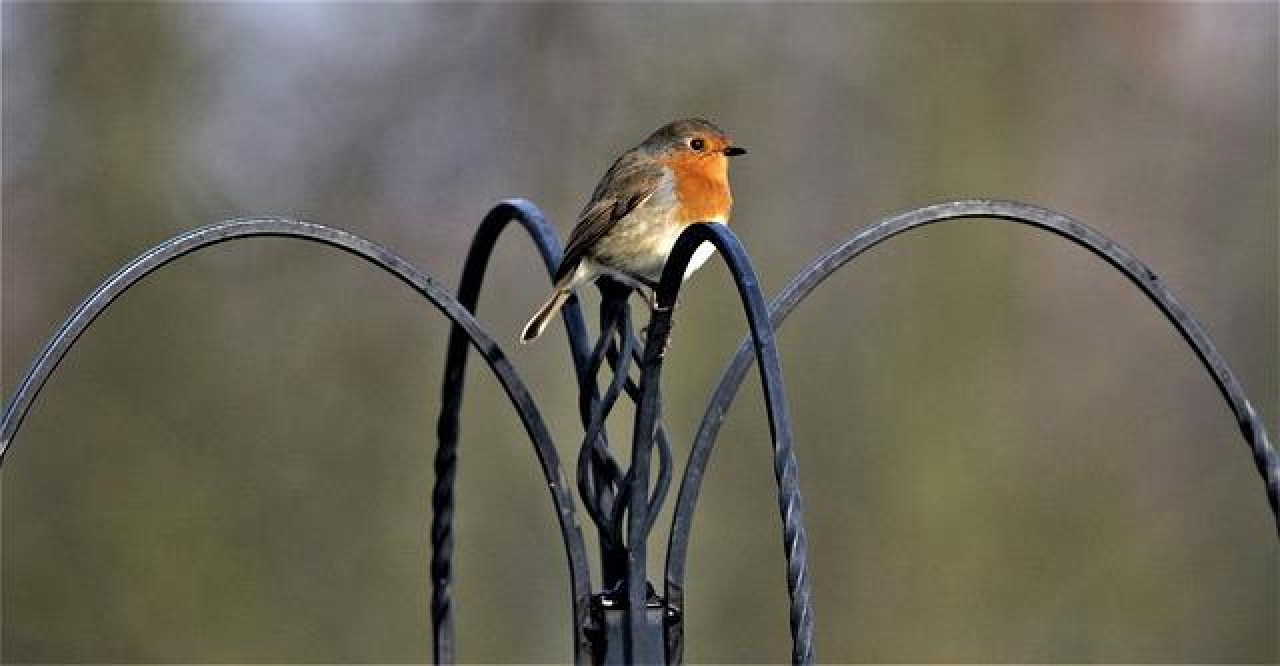

Robins have always been associated with the arrival of spring and the promise of new beginnings, but there is more to these iconic birds than meets the eye. One particular behavior that sets robins apart is the ‘robin twist’, a fascinating display of mating behavior that has captivated the attention of scientists and bird enthusiasts alike. In this article, we will delve into the world of the robin twist, exploring its purpose, evolution, and significance in the lives of these beloved birds.
Table of Contents
- Introduction to the Robin Twist Plant
- Characteristics and Growing Conditions of Robin Twist
- Best Practices for Caring for Robin Twist
- Common Issues and Troubleshooting for Robin Twist
- Uses and Benefits of Robin Twist in the Garden
- Q&A
- To Wrap It Up
Introduction to the Robin Twist Plant
The Robin Twist plant, also known by its scientific name Ficus pumila, is a versatile and popular plant that is commonly used as a houseplant or in landscaping. This creeping vine is native to East Asia and is well-loved for its fast-growing nature and attractive, lush foliage. It is a member of the fig family and is often grown for its ornamental value, as well as for its ability to provide ground cover and climb up walls, trees, or other surfaces.
The Robin Twist plant is known for its small, heart-shaped leaves that are typically dark green in color and have a glossy appearance. It is a low-maintenance plant that is relatively easy to care for, making it a great choice for beginner gardeners or those looking to add some greenery to their indoor spaces. This plant is also adaptable to a variety of light conditions, making it suitable for both bright, indirect light and low-light environments. Whether grown as a potted plant or outdoors in the garden, the Robin Twist plant is sure to add a touch of natural beauty to any space.
| Common Name | Robin Twist plant |
| Scientific Name | Ficus pumila |
| Native to | East Asia |
| Common Uses | Houseplant, landscaping, ground cover |
Characteristics and Growing Conditions of Robin Twist
Robin Twist, also known as the Robinia pseudoacacia ‘Twisty Baby’, is a small, deciduous tree known for its unique twisted branches and striking appearance. The tree typically grows to a height of 6-8 feet and a spread of 4-6 feet, making it an ideal choice for smaller gardens and landscapes. Its distinct contorted growth habit and ornamental features make it a popular choice for adding visual interest to outdoor spaces.
Robin Twist thrives in well-drained soils and requires full sun to partial shade for optimal growth. While it is relatively low-maintenance, it is essential to provide regular watering, especially during periods of drought. The tree is generally hardy and can tolerate a wide range of soil types, including loamy, sandy, or clay soils. Its growing conditions make it suitable for a variety of climates, making it a versatile choice for gardeners.
Key Characteristics of Robin Twist:
- Distinct twisted branches
- Small, compact size
- Deciduous foliage with a green color
- Attractive spring flowers
| Height | 6-8 feet |
|---|---|
| Spread | 4-6 feet |
| Sun Exposure | Full sun to partial shade |
Best Practices for Caring for Robin Twist
Caring for robin twist requires knowledge of their dietary needs, housing requirements, and overall well-being. Here are some best practices to ensure the health and happiness of your robin twist:
Dietary Needs
Robin twists have specific dietary needs that must be met to ensure their health. They thrive on a diet of insects, fruits, and berries. It’s important to provide a varied and balanced diet to ensure they receive all the necessary nutrients. Additionally, providing a source of clean water is crucial for their hydration.
Housing Requirements
Creating a suitable habitat for your robin twist is essential for their well-being. They need a spacious aviary or cage to allow for flying and exercise. The enclosure should also include perches, nesting materials, and hiding spots to mimic their natural habitat. It’s important to keep the housing clean and free from any potential hazards.
Overall Well-being
Aside from their physical needs, robin twists also require mental stimulation and social interaction. Providing toys, puzzles, and interaction with their owners or other birds can help keep them mentally stimulated and happy. Regular health check-ups by a qualified avian veterinarian are also crucial for ensuring their overall well-being.
Common Issues and Troubleshooting for Robin Twist
When it comes to using the Robin Twist, there are a few common issues that users may encounter. By understanding the common problems and troubleshooting steps, you can ensure a smooth experience with your device.
Connection Issues
One common issue with the Robin Twist is connection problems. Whether you’re having trouble connecting to Wi-Fi or pairing your device with other devices, this can be frustrating. To troubleshoot, try the following:
- Restart your device
- Check for any available software updates
- Ensure that you’re within range of the Wi-Fi network or Bluetooth device
- Forget the network or device and then reconnect
Battery Life
Another common issue that users may face with the Robin Twist is a shorter than expected battery life. To maximize your device’s battery performance, consider the following tips:
- Adjust the screen brightness
- Turn off unnecessary features or apps running in the background
- Use power-saving modes when necessary
- Replace the battery if it’s degraded over time
| Issue | Troubleshooting |
|---|---|
| Connection Problems | Restart device, check for updates, ensure proximity |
| Battery Life | Adjust settings, close background apps, use power-saving modes |
Uses and Benefits of Robin Twist in the Garden
Robin twist, also known as Juncus effusus, is a versatile and attractive plant that can be a valuable addition to any garden. This plant has a wide range of uses and benefits, making it a popular choice for many gardeners.
One of the primary uses of robin twist in the garden is as a decorative and ornamental plant. Its unique twisted stems and bright green foliage add visual interest to any landscape. It can be used as a border plant, in mass plantings, or as a focal point in a garden bed.
Aside from its decorative appeal, robin twist also offers several practical benefits for the garden. It is a low-maintenance plant that requires minimal care once established, making it an excellent choice for busy gardeners. Additionally, it is a hardy and adaptable plant, thriving in a variety of soil types and moisture levels. This makes it a great option for gardens with challenging growing conditions. Furthermore, robin twist is also known for its ability to attract beneficial insects, such as bees and butterflies, making it a valuable addition to any pollinator garden.
Q&A
Q: What is a robin twist?
A: A robin twist is a type of hairstyle that involves twisting sections of hair and pinning them back for a stylish, elegant look.
Q: How is a robin twist different from other hairstyles?
A: A robin twist is unique in that it creates a twisted, rosette-like effect at the back of the head, and it is often adorned with accessories such as flowers or clips.
Q: Can anyone create a robin twist hairstyle?
A: Yes, the robin twist is a relatively simple hairstyle that can be achieved by individuals with varying hair lengths and textures.
Q: What occasions are suitable for wearing a robin twist?
A: A robin twist is a versatile hairstyle that can be worn for both casual and formal occasions, such as weddings, parties, or even just a day out with friends.
Q: Are there different variations of the robin twist?
A: Yes, there are different ways to customize the robin twist based on personal preference, such as adding braids or incorporating different hair accessories.
Q: How long does it take to create a robin twist hairstyle?
A: The time it takes to create a robin twist hairstyle may vary depending on the individual’s skill and the complexity of the style, but it typically takes around 10-15 minutes to achieve.
To Wrap It Up
In conclusion, the robin twist is a fascinating and agile bird species that is often associated with urban and suburban areas. With its distinctive red breast and melodious song, the robin twist is a beloved sight for many birdwatchers and nature enthusiasts. Despite its common presence, it remains an important and integral part of the ecosystem, contributing to the natural balance of plant and insect populations. Whether you spot one in your backyard or in a local park, take a moment to appreciate the beauty and grace of this charming little bird. Its presence is a reminder of the rich diversity of wildlife that surrounds us, even in the most unexpected places.