
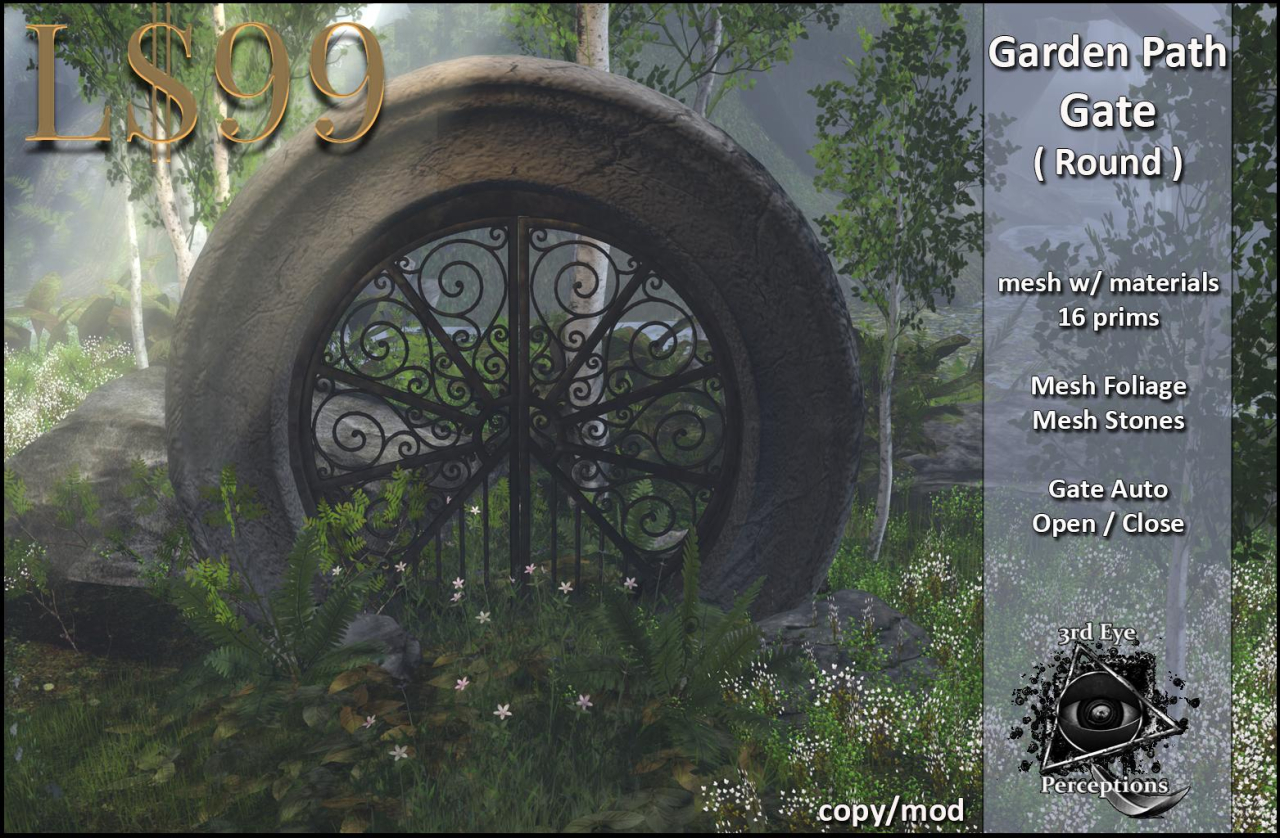

Amidst the dense fog and looming cliffs of the Scottish Highlands, a mysterious and enigmatic phenomenon has captured the attention of locals and tourists alike. Nestled within the ancient stone walls and crumbling ruins, lie the fabled “raven gates” of Dunadd. Whispered about in hushed tones, these ominous portals are said to hold ancient powers and serve as a gateway to the spirit world. Join us as we embark on a journey to unravel the secrets of these mystical gateways and discover the truth behind the legends.
Table of Contents
- Uncovering the mysterious history of raven gates
- The intricate design and symbolism of raven gates
- Exploring the cultural significance of raven gates in indigenous traditions
- Tips for incorporating raven gates into modern architecture
- Preserving and honoring the tradition of raven gates in contemporary design
- Q&A
- In Retrospect
Uncovering the mysterious history of raven gates
Raven gates, also known as “the gates of the raven,” are a mysterious phenomenon that has captivated the imagination of people for centuries. These ancient structures are found in various parts of the world, and their origins are shrouded in myth and intrigue.
Legends and folklore often depict raven gates as powerful portals or gateways to other realms. Some believe that they were built by ancient civilizations as a means of communication with the spirit world, while others see them as symbols of protection and guidance. Despite the widespread fascination with raven gates, their true purpose and history remain a mystery.
The intricate design and symbolism of raven gates
The intricate design of raven gates is a sight to behold, with their striking black color and elaborate patterns carved into the metalwork. These gates often feature detailed depictions of ravens in flight, feathers, and other symbolic elements that hold deep meaning in various cultures and mythologies. The symbolism behind raven gates is rich and varied, making them a compelling and mysterious addition to any landscape.
In many cultures, ravens are considered to be symbols of wisdom, magic, and mystery. This symbolism is often reflected in the design of raven gates, with intricate details that evoke a sense of otherworldliness and ancient wisdom. The use of ravens in gate design also speaks to the bird’s intelligence and resourcefulness, adding an element of strength and cunning to the overall symbolism.
The use of raven gates in architecture and landscaping can create a powerful and enigmatic atmosphere, making a bold statement to visitors and inhabitants alike. Whether used in a residential setting or as a grand entrance to a public space, leave a lasting impression and evoke a sense of wonder and curiosity. With their timeless appeal and deep symbolic meaning, raven gates serve as a striking and meaningful addition to any environment.
Exploring the cultural significance of raven gates in indigenous traditions
Raven gates hold a significant place in the traditions and cultures of various indigenous communities around the world. In many indigenous belief systems, the raven is a powerful and symbolic creature, often associated with creation, transformation, and the spirit world. As such, raven gates are considered sacred and are used in various rituals and ceremonies to connect with the spiritual realm.
One of the most prominent examples of raven gates in indigenous traditions is found in the Pacific Northwest, where the raven is a central figure in the mythology of many indigenous peoples. In these cultures, the raven is often seen as a trickster and a shape-shifter, possessing great wisdom and carrying important messages from the spirit world. Raven gates are used to honor the raven and to seek guidance and protection from the spiritual realm.
It’s important to recognize that the significance and symbolism of raven gates may vary between different indigenous communities, each with its own unique interpretation and rituals associated with these sacred symbols. However, one thing remains constant – the raven gate holds a profound spiritual significance and plays a crucial role in maintaining the cultural identity and traditions of indigenous peoples.
Tips for incorporating raven gates into modern architecture
Raven gates are a timeless and elegant addition to modern architectural designs, offering a unique and sophisticated touch to any space. Whether you’re designing a residential property, commercial building, or public space, incorporating raven gates can elevate the overall aesthetic and make a striking impression. Here are some tips for seamlessly integrating raven gates into modern architecture:
**Consider the Setting:** When incorporating raven gates into modern architecture, it’s essential to consider the overall setting and surroundings. Whether the gates are being installed in a urban environment or a natural landscape, they should complement and enhance the existing aesthetic. Pay attention to the architectural style, color scheme, and landscaping to ensure the gates seamlessly blend in with their surroundings.
**Focus on Functionality:** While raven gates are undoubtedly visually stunning, it’s crucial to prioritize functionality in their design and installation. Consider factors such as security, ease of access, and durability when selecting and positioning the gates. This will ensure that they not only look impressive but also serve a practical purpose in the architectural space.
**Embrace Customization:** The beauty of raven gates lies in their versatility and ability to be customized to suit specific architectural designs. Consider working with a skilled metal fabricator to create bespoke raven gates that perfectly complement the modern architecture. Whether it’s intricate detailing, innovative hinges, or personalized motifs, customized raven gates can add a truly unique and luxurious touch to any architectural space.
Incorporating raven gates into modern architecture requires careful consideration of the setting, functionality, and customization options available. By paying attention to these key elements, architects and designers can create a seamless and striking integration of raven gates into their architectural designs, resulting in an impressive and memorable finished product.
Preserving and honoring the tradition of raven gates in contemporary design
The tradition of raven gates holds a significant place in the cultural and artistic heritage of indigenous communities, particularly in the Pacific Northwest. These intricately carved gates are more than just functional structures; they are a representation of the rich history, spirituality, and connection to nature that these communities hold dear. In contemporary design, there is a growing effort to preserve and honor this tradition by incorporating raven gates into modern architectural and interior design projects.
Embracing the timeless elegance and symbolic significance of raven gates, designers are finding innovative ways to integrate them into contemporary spaces. By doing so, they not only pay homage to the indigenous cultures that originated these designs but also infuse a sense of authenticity and cultural appreciation into their work. From private residences to public spaces, raven gates are making a powerful statement, serving as a bridge between tradition and modernity.
In today’s design landscape, the incorporation of raven gates into contemporary projects goes beyond just aesthetics—it is a testament to the enduring legacy of indigenous craftsmanship and the importance of preserving cultural traditions. By embracing these traditional elements, designers and architects are not only enriching their work with unique and meaningful features, but also contributing to the broader movement of cultural preservation and appreciation in the design industry. As the demand for authenticity and cultural diversity continues to grow, raven gates are poised to remain a timeless and revered symbol in contemporary design.
Q&A
Q: What are raven gates and where can they be found?
A: Raven gates, also known as crows gates, are mysterious formations that resemble stone walls or enclosures found in various natural landscapes around the world. These enigmatic structures have been spotted in places like Scotland, Ireland, and the American Southwest.
Q: How were raven gates formed and what is their significance?
A: The origins of raven gates are shrouded in mystery, with various theories suggesting they may have been built by ancient civilizations, created by natural geological processes, or even formed by extraterrestrial beings. Some believe these gates hold spiritual or mystical significance, while others see them as purely natural formations.
Q: What do scientists and researchers say about raven gates?
A: Scientists and researchers have studied raven gates with a mix of curiosity and skepticism. While some have attempted to explain the formations through geological processes such as erosion and tectonic activity, others remain intrigued by the precise and deliberate construction of these structures, leading to ongoing debate and speculation.
Q: What are some popular theories about the purpose of raven gates?
A: Theories about the purpose of raven gates range from serving as ceremonial sites or astronomical observatories to being markers for ancient trade routes or boundaries. Some even speculate that raven gates hold connections to mythological or folklore traditions, adding to the enigma surrounding these formations.
Q: Can raven gates be visited by the public?
A: Many raven gates are located in remote or protected areas, making them difficult to access. However, some of these sites are open to the public and have become popular destinations for those intrigued by the mystery and allure of these ancient formations.
In Retrospect
As we conclude our exploration of the enigmatic raven gates, we are left with more questions than answers. From their ancient origins to their modern-day symbolism, these mysterious structures continue to captivate and intrigue. Whether they serve as guardians of knowledge or simply stand as testaments to the craftsmanship of their creators, the raven gates remind us of the enduring power of human imagination and innovation. As we ponder their significance, one thing is certain: the raven gates will continue to inspire and provoke curiosity for generations to come. So next time you encounter one of these remarkable gates, take a moment to appreciate the mystery and wonder they evoke. Perhaps you’ll uncover some of their secrets on your own journey of discovery. Keep your eyes open and your mind curious, for the raven gates hold stories and secrets waiting to be unraveled.