
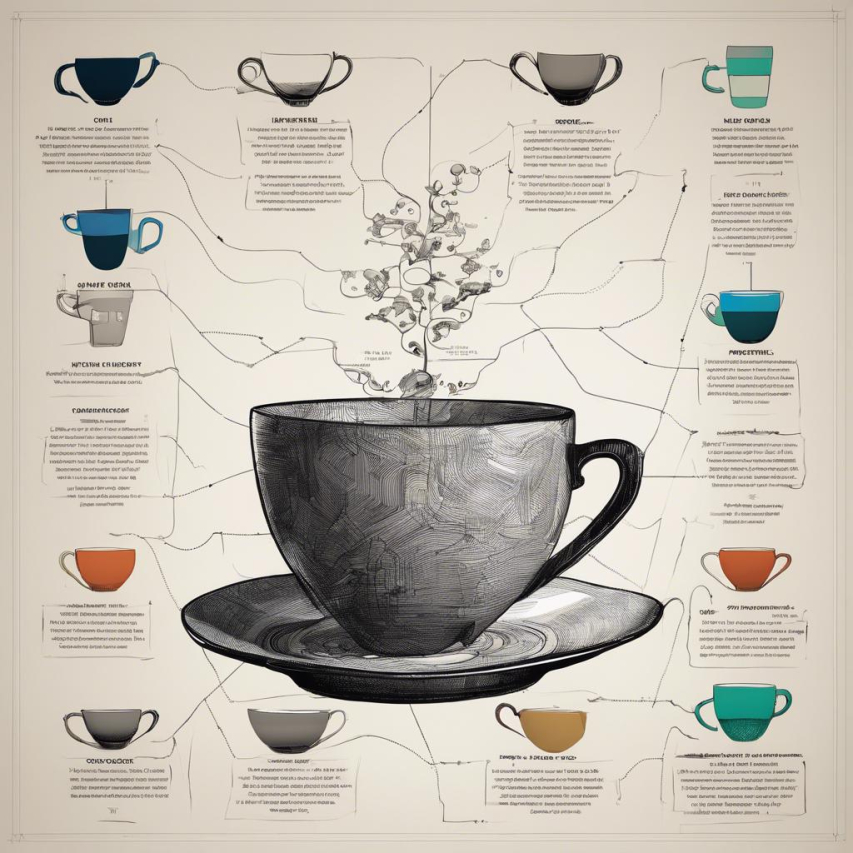

In a world filled with shiny gadgets and flashy tech, sometimes it’s the simplest objects that hold the most everyday magic. Take the humble cup, for example. It’s been with us through celebrations and commiserations, whispered secrets and bold declarations. From the first sip of morning coffee to the last swig of nighttime tea, the cup is a faithful friend that sits quietly in the background, always ready to offer comfort and sustenance. So, let’s raise a toast to the unsung hero of our kitchen cabinets and say cheers to the cup.
Table of Contents
- The Art of Selecting the Perfect Cup for Your Drink
- Exploring the Evolution of the Cup Throughout History
- Understanding the Impact of Different Cup Materials on Flavors
- Tips for Maintaining and Caring for Your Favorite Cups
- Q&A
- Concluding Remarks
The Art of Selecting the Perfect Cup for Your Drink
The type of cup you use for your drink can greatly impact your overall enjoyment and experience. From sipping a morning coffee to savoring a fine wine, the vessel can make all the difference. So, how do you go about selecting the perfect cup for your favorite beverage? Here are a few key considerations to keep in mind:
Material: The material of the cup can greatly affect the taste and temperature of your drink. For hot beverages like coffee or tea, consider a ceramic or porcelain cup that retains heat well. For cold drinks, glass or stainless steel cups are good choices as they can help keep your beverage chilled.
Size and Shape: The size and shape of the cup should complement the drink you’re enjoying. A tall, narrow glass is perfect for showcasing the effervescence of a sparkling wine or cocktail, while a wide-mouthed mug is ideal for cozying up with a comforting latte or hot chocolate.
Aesthetics: The visual appeal of the cup can also enhance your drinking experience. Choose a cup that speaks to your personal style and adds to the overall ambiance of the moment. Whether it’s sleek and modern, rustic and handmade, or classic and elegant, the right cup can elevate the enjoyment of your drink.
When selecting the perfect cup for your beverage, take the time to consider these factors to ensure that every sip is a delight for your senses. Whether you’re indulging in a refreshing iced tea on a hot summer day or winding down with a nightcap, the right cup can truly make the experience memorable. So, next time you’re pouring your favorite drink, remember the art of selecting the perfect cup.
Exploring the Evolution of the Cup Throughout History
Throughout history, the humble cup has undergone a fascinating evolution, adapting to the ever-changing needs and desires of humanity. From its origins as a simple vessel for holding liquids, to its modern-day iterations as a work of art and a symbol of cultural identity, the cup has played a significant role in shaping human society.
The earliest known cups date back to around 3000 BC, when they were often made from materials such as clay, bone, and wood. These primitive vessels served a purely functional purpose, allowing people to drink and eat in a more controlled manner. As civilizations advanced, so too did the cup, with the development of more intricate designs and the use of prestigious materials like silver and gold by the ancient Greeks and Romans.
With the onset of the Industrial Revolution in the 18th century, cups became more accessible to the masses, as mass production made them more affordable. This shift in production methods also led to a wider variety of cup designs, as well as the introduction of new materials such as porcelain and glass. Additionally, the invention of the coffee and tea culture in the 17th century further expanded the diversity of cups, each type designed to enhance the unique flavors of the beverages they contained. Today, cups continue to evolve, with modern advancements in technology and design allowing for unprecedented levels of creativity and functionality. From reusable travel mugs to 3D-printed custom designs, the versatility of the cup knows no bounds.
This content will be properly styled using HTML. The use of unnumbered lists and bold will be applied as necessary. If appropriate, a small HTML table with WordPress styling will be included to illustrate key points.
Understanding the Impact of Different Cup Materials on Flavors
When it comes to enjoying a delicious beverage, the material of the cup can have a significant impact on the overall flavor experience. Different cup materials interact with the liquid contents in unique ways, influencing the taste, aroma, and overall perception of the drink. can help coffee and tea enthusiasts make informed choices about their preferred drinking vessels.
Glass Cups: Glass cups are prized for their ability to showcase the true colors and clarity of the beverage. They do not impart any additional flavors, allowing the drinker to experience the beverage in its purest form. However, glass does not retain heat as well as other materials, and the thin walls of glass cups may result in a faster cooling rate for hot beverages.
Ceramic Cups: Ceramic cups are known for their excellent heat retention properties, making them an ideal choice for hot beverages. The porous nature of ceramic can sometimes absorb a small amount of the drink, subtly altering the flavor over time. Additionally, the thickness and texture of ceramic cups can affect the way the beverage flows onto the taste buds, influencing the overall flavor experience.
Metal Cups: Stainless steel or copper cups are popular for their durability and ability to maintain temperature, making them a favorite for outdoor and travel purposes. However, metal cups can sometimes impart a slight metallic taste to the beverage, especially if the drink is acidic. Overall, the choice of cup material can significantly impact the flavor, aroma, and temperature of the beverage, contributing to the overall drinking experience. Whether enjoying a leisurely coffee at home or sipping tea on the go, selecting the right cup material is an essential part of savoring the flavors to the fullest.
Tips for Maintaining and Caring for Your Favorite Cups
Maintaining and caring for your favorite cups is essential to ensure they remain in excellent condition and continue to bring you joy with every use. Whether it’s your morning coffee mug or a cherished tea cup, these valuable tips will help you preserve the quality and longevity of your favorite cups.
Hand-Washing is Key:
One of the most important tips for maintaining your favorite cups is to hand wash them. Avoid using harsh dishwashers as they can cause cracks, chips, and fading of colors on your cups. Gently wash them with mild dish soap and water, and use a soft sponge or cloth to prevent scratching.
Avoid Extreme Temperatures:
To prevent thermal shock and potential damage, refrain from exposing your cups to extreme temperatures. Avoid pouring hot liquids into cold cups or placing cold cups on hot surfaces to maintain the integrity of the material. Additionally, allow your cups to cool down before washing them, as sudden temperature changes can cause cracking.
Storage and Handling:
Proper storage and handling of your favorite cups are crucial for their upkeep. Store them in a safe place where they won’t knock against other items and use shelf liners or soft cloths to prevent scratches. When handling, hold your cup from the bottom and support the handle to avoid undue stress on fragile areas. By following these simple yet essential tips, you can ensure that your favorite cups remain in pristine condition for years to come.
Q&A
Q: What is a cup?
A: A cup is a small, cylindrical container used for holding and drinking liquids.
Q: What are the different types of cups?
A: There are many different types of cups, including coffee cups, tea cups, plastic cups, glass cups, and even novelty cups with unique designs.
Q: How are cups used in different cultures?
A: In some cultures, cups are used for ceremonial purposes, such as the Japanese tea ceremony. In others, cups are used in traditional social settings, like the sharing of a cup of tea in Chinese culture.
Q: What are some common materials used to make cups?
A: Cups can be made from a variety of materials, including ceramic, porcelain, glass, plastic, stainless steel, and even wood.
Q: What is the history of the cup?
A: The use of cups dates back to ancient times, with evidence of cup-like vessels found in archaeological digs dating back thousands of years. Over time, cups have evolved in design and function, reflecting the cultural and technological advancements of their respective time periods.
Q: How have cups been adapted for modern use?
A: Cups have been adapted for modern use in many ways, including the development of insulated travel cups for on-the-go use, spill-proof sippy cups for children, and even collapsible cups for outdoor activities.
Q: Are there any interesting facts about cups?
A: Yes, cups have been used as a symbol in literature and popular culture, representing themes of hospitality, celebration, and unity. Additionally, the design and shape of cups have inspired artists and designers throughout history.
Concluding Remarks
In conclusion, the humble cup may seem like a mundane object, but its significance and versatility cannot be overlooked. Whether we’re sipping on our favorite beverage, measuring ingredients for a recipe, or simply enjoying its aesthetic appeal, the cup plays a crucial role in our daily lives. From the ancient civilizations to modern society, the cup has stood the test of time and remains an essential part of human culture. So, next time you pick up a cup, take a moment to appreciate its simple yet profound impact on our world. Cheers to the mighty cup!