
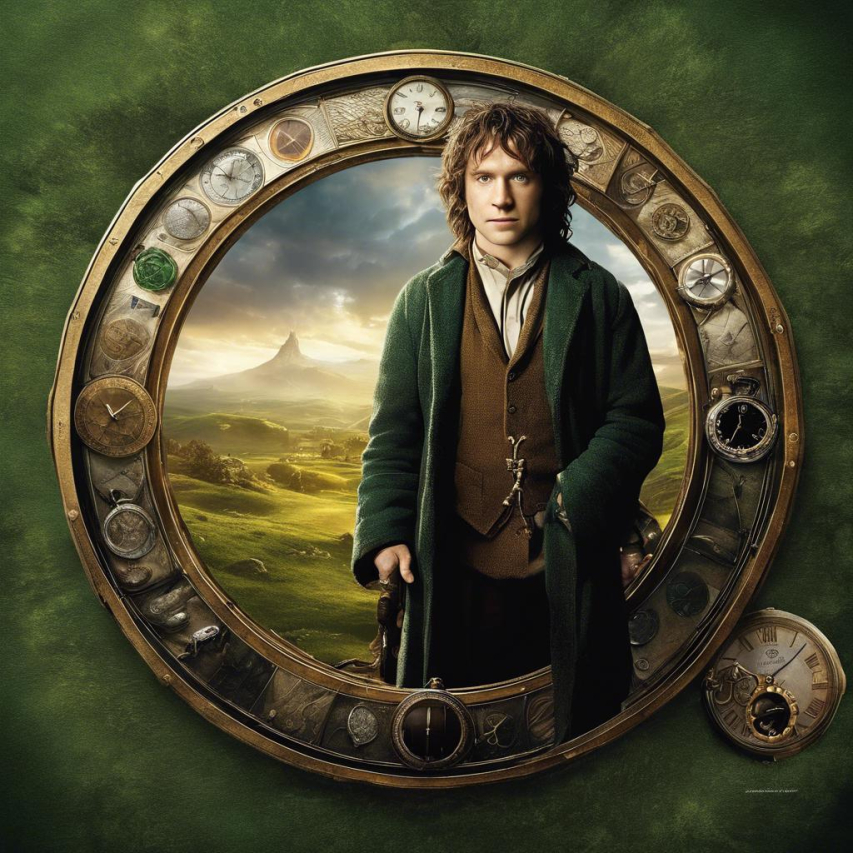

In a world filled with magical creatures, epic battles, and ancient prophecies, the realm of Middle-earth has captivated fans for generations. From the whimsical adventures of The Hobbit to the epic quest of The Lord of the Rings, J.R.R. Tolkien’s literary works have been brought to life on the big screen in truly mesmerizing fashion. But with multiple movies and a prequel saga to consider, many fans find themselves asking one burning question: What is the correct order to watch The Hobbit and The Lord of the Rings? Join us as we embark on a journey through Middle-earth to unravel the secrets behind the perfect viewing order for these beloved film adaptations.
Table of Contents
- The Best Order to Experience the Middle Earth Saga
- Understanding the Chronological vs Release Order Debate
- Starting with The Hobbit: An Unexpected Journey
- Continuing with The Lord of the Rings: The Fellowship of the Ring
- The Proper Placement of The Hobbit Trilogy
- The Ultimate Viewing Experience: Extended Editions and Appendices
- A Personal Choice: Tailoring the Order to Your Preferences
- Q&A
- Final Thoughts
The Best Order to Experience the Middle Earth Saga
When it comes to experiencing the Middle Earth saga, determining the best order to watch the Hobbit and Lord of the Rings movies can be a bit tricky. Should you start with The Hobbit trilogy and then move on to The Lord of the Rings, or should you watch them in the order they were released? The truth is, there are a few different viewing orders that can enhance your Middle Earth experience. Here’s a breakdown of the best order to watch the Middle Earth saga.
One popular viewing order is to start with The Hobbit trilogy and then move on to The Lord of the Rings. This order follows the chronological events of the Middle Earth storyline, beginning with the adventures of Bilbo Baggins and the dwarves in The Hobbit, and then transitioning into the epic quest to destroy the One Ring in The Lord of the Rings. This order allows viewers to witness the development of the characters and the progression of the overarching story in a linear fashion.
Another approach is to watch the movies in the order they were released, starting with The Lord of the Rings trilogy and then watching The Hobbit trilogy. While this order may not follow the chronological events of the story, it allows viewers to experience the Middle Earth saga in the same order that audiences did when the movies were originally released. This order can provide a sense of nostalgia for fans who have been following the franchise since its inception.
No matter which order you choose, one thing is for certain – the Middle Earth saga is a timeless tale of adventure, heroism, and the enduring struggle between good and evil. Whether you’re a fan of The Hobbit or The Lord of the Rings, watching these movies in the best order for you can enhance your appreciation of the rich and immersive world of Middle Earth.
Understanding the Chronological vs Release Order Debate
The debate between watching movies or series in chronological order versus release order is one that has sparked many discussions among fans. When it comes to the Hobbit and Lord of the Rings series, the same debate arises. Should you watch them in the chronological order of events, or should you follow the order in which the movies were released? Let’s delve into this debate and explore the pros and cons of each approach.
Release Order:
Following the release order of the Hobbit and Lord of the Rings movies means starting with The Lord of the Rings: The Fellowship of the Ring, followed by The Two Towers, and then The Return of the King. After completing the original trilogy, viewers would then watch The Hobbit: An Unexpected Journey, The Desolation of Smaug, and The Battle of the Five Armies. Watching in release order allows viewers to experience the series as it was presented to audiences, understanding the progression of the storyline and character development as it unfolded on the big screen.
Chronological Order:
On the other hand, watching the movies in chronological order would begin with The Hobbit: An Unexpected Journey, followed by The Desolation of Smaug, The Battle of the Five Armies, The Lord of the Rings: The Fellowship of the Ring, The Two Towers, and finally The Return of the King. This approach allows viewers to witness the events of Middle-earth unfold in the order in which they occurred within the storyline, providing a different perspective on the epic tale.
Ultimately, the decision of whether to watch the Hobbit and Lord of the Rings series in chronological or release order will depend on personal preferences. Some may prefer to experience the series in the order it was originally presented, while others may enjoy the immersive journey of watching the events in chronological order. Whichever order you choose, the magical world of Middle-earth is sure to captivate and enthrall viewers, making for an unforgettable cinematic experience.
Starting with The Hobbit: An Unexpected Journey
When diving into the captivating world of Middle Earth, it can be a bit confusing for newcomers to figure out the correct order to watch The Hobbit and The Lord of the Rings movies. The correct order to watch The Hobbit and The Lord of the Rings is crucial for understanding the storyline and enjoying the full epic experience.
First and foremost, it is recommended to start with The Hobbit trilogy before diving into The Lord of the Rings series. The Hobbit: An Unexpected Journey is the perfect starting point as it sets the stage for the events that unfold in The Lord of the Rings. Watching the movies in the correct order will enhance the overall viewing experience and provide a deeper understanding of the characters and their journeys.
To ensure you are watching The Hobbit and The Lord of the Rings in the correct order, follow this simple guide:
- The Hobbit: An Unexpected Journey
- The Hobbit: The Desolation of Smaug
- The Hobbit: The Battle of the Five Armies
- The Lord of the Rings: The Fellowship of the Ring
- The Lord of the Rings: The Two Towers
- The Lord of the Rings: The Return of the King
By following this order, you will be able to immerse yourself in the magical world of Middle Earth and fully appreciate the epic storytelling and breathtaking visuals created by director Peter Jackson. So grab your popcorn, settle in, and get ready for an unforgettable journey through Middle Earth.
Continuing with The Lord of the Rings: The Fellowship of the Ring
The correct order to watch The Hobbit and The Lord of the Rings series is a topic of much debate among fans. Some argue that watching The Hobbit first provides a better introduction to the world of Middle Earth, while others prefer to start with The Lord of the Rings for a more traditional storytelling experience.
One popular viewing order is to start with The Hobbit trilogy, followed by The Lord of the Rings trilogy. This allows viewers to see the events leading up to The Lord of the Rings and provides a nice transition into the epic tale. However, others argue that watching The Lord of the Rings first gives a better understanding of the world and sets the stage for The Hobbit. Ultimately, the decision comes down to personal preference and how each viewer wants to experience the story.
Regardless of which order you choose, it’s important to immerse yourself in the rich and fantastical world of J.R.R. Tolkien’s creations. Both series offer epic adventures, memorable characters, and breathtaking landscapes that will captivate audiences of all ages.
- To watch The Hobbit and The Lord of the Rings series in chronological order, follow this order:
- The Hobbit: An Unexpected Journey
- The Hobbit: The Desolation of Smaug
- The Hobbit: The Battle of the Five Armies
- The Lord of the Rings: The Fellowship of the Ring
- The Lord of the Rings: The Two Towers
- The Lord of the Rings: The Return of the King
By following this order, viewers can experience the events of Middle Earth in the sequence in which they occur, providing a more in-depth understanding of the overarching story and the characters’ journeys. Regardless of which order you choose, both series offer an enchanting and unforgettable cinematic experience.
The Proper Placement of The Hobbit Trilogy
within the larger context of the Lord of the Rings series has long been a subject of debate among fans. While the original release order of the films may seem straightforward, there are actually several different ways to approach viewing these epic fantasy stories in a way that maximizes the narrative and thematic experience.
One popular approach is to watch The Hobbit Trilogy before diving into the Lord of the Rings films. This allows viewers to experience the events of The Hobbit, which take place chronologically before those of The Lord of the Rings, and provides important context for the later films. This order also allows for a smoother transition from the lighter tone of The Hobbit to the darker, more epic feel of The Lord of the Rings.
Another approach is to watch the films in the order of their release, starting with The Lord of the Rings and then moving on to The Hobbit Trilogy. This can provide a different perspective on the story, as viewers are introduced to the grandeur and scale of Middle-earth through the lens of The Lord of the Rings before delving into the more intimate and adventurous world of The Hobbit.
The Ultimate Viewing Experience: Extended Editions and Appendices
When it comes to indulging in the full cinematic experience of J.R.R. Tolkien’s Middle-earth, there’s no doubt that the extended editions and appendices of The Hobbit and The Lord of the Rings add an extra layer of depth and immersion. However, figuring out the correct order to watch these epic tales can be a daunting task for even the most ardent fans. Fear not, for we’ve got you covered with the ultimate guide to enjoying the extended editions and appendices in the proper sequence.
First things first, it’s crucial to start with The Hobbit trilogy, followed by The Lord of the Rings trilogy. Within each trilogy, the extended editions provide a more comprehensive and detailed storytelling experience, offering a treasure trove of additional scenes, character development, and behind-the-scenes insights. To truly appreciate the richness of Tolkien’s world, watching the extended editions is a must. Once you’ve completed the extended editions of both trilogies, delve into the appendices, which provide a fascinating look at the making of the films, including interviews with the cast and crew, concept art, and in-depth behind-the-scenes footage.
To ensure you get the most out of your viewing experience, here’s the correct order to watch The Hobbit and The Lord of the Rings extended editions and appendices:
- The Hobbit: An Unexpected Journey (Extended Edition)
- The Hobbit: The Desolation of Smaug (Extended Edition)
- The Hobbit: The Battle of the Five Armies (Extended Edition)
- The Lord of the Rings: The Fellowship of the Ring (Extended Edition)
- The Lord of the Rings: The Two Towers (Extended Edition)
- The Lord of the Rings: The Return of the King (Extended Edition)
- The Appendices of The Hobbit and The Lord of the Rings
By following this sequence, you’ll be treated to an immersive and comprehensive viewing experience that unlocks the full magic of Middle-earth. So grab your favorite snacks, settle in for an epic marathon, and get ready to embark on a journey like no other.
A Personal Choice: Tailoring the Order to Your Preferences
If you’re a fan of J.R.R. Tolkien’s epic fantasy world, then you’ve probably wondered about the best way to experience the film adaptations of “The Hobbit” and “The Lord of the Rings.” There’s no shortage of opinions on the correct order to watch these movies, and the truth is that there’s no one-size-fits-all answer. The best order for you to watch these films depends on your personal preferences and what you value most in a movie-watching experience.
For the purists: Some fans believe that the only way to truly appreciate the story is to watch the films in the order they were released. This means starting with “The Lord of the Rings” trilogy, followed by “The Hobbit” trilogy. Watching the movies in this order allows you to experience the story as it was originally meant to be told and appreciate the evolving technology and filmmaking techniques used in each trilogy.
For the chronological sticklers: For those who prefer to experience the story in a more chronological sequence, starting with “The Hobbit” films makes sense. “The Hobbit” is set 60 years before the events of “The Lord of the Rings,” so watching these films first provides context and background for the events that unfold in the later trilogy. This approach can enhance your appreciation for the depth and complexity of Tolkien’s world.
Q&A
Q: What is the correct order to watch The Hobbit and The Lord of the Rings?
A: The correct order to watch The Hobbit and The Lord of the Rings is a common debate among fans of J.R.R. Tolkien’s Middle-earth. Some argue for a chronological approach, while others believe in watching the films in the order they were released.
Q: What is the chronological order for watching the films?
A: The chronological order for watching the films would start with The Hobbit trilogy, followed by The Lord of the Rings trilogy. This would mean watching The Hobbit: An Unexpected Journey, The Hobbit: The Desolation of Smaug, The Hobbit: The Battle of the Five Armies, The Lord of the Rings: The Fellowship of the Ring, The Lord of the Rings: The Two Towers, and The Lord of the Rings: The Return of the King.
Q: What is the release order for watching the films?
A: The release order for watching the films would begin with The Lord of the Rings trilogy, followed by The Hobbit trilogy. This means starting with The Lord of the Rings: The Fellowship of the Ring, The Lord of the Rings: The Two Towers, The Lord of the Rings: The Return of the King, The Hobbit: An Unexpected Journey, The Hobbit: The Desolation of Smaug, and The Hobbit: The Battle of the Five Armies.
Q: Which order is recommended for first-time viewers?
A: For first-time viewers, it is generally recommended to watch the films in the release order, starting with The Lord of the Rings trilogy. This allows for an introduction to the world of Middle-earth and a gradual immersion into the story. However, some fans prefer the chronological order to better understand the timeline of events.
Q: Are there any other alternative ways to watch the films?
A: Some fans recommend watching the extended editions of the films, which include additional footage and scenes that provide a more in-depth viewing experience. Others suggest watching The Hobbit trilogy first to appreciate the backstory before diving into The Lord of the Rings trilogy. Ultimately, the order in which to watch the films is a matter of personal preference.
Final Thoughts
As you embark on your journey through Middle-earth, remember that there is no “right” or “wrong” order to watch The Hobbit and The Lord of the Rings. Each viewer has their own unique perspective and experience with these beloved stories. Whether you start with The Hobbit and move on to The Lord of the Rings, or vice versa, the most important thing is to immerse yourself in the magic of this fantastical world and enjoy the adventure. So grab your elven cloak, sharpen your sword, and may your path through Middle-earth be filled with wonder and delight. Happy watching!