
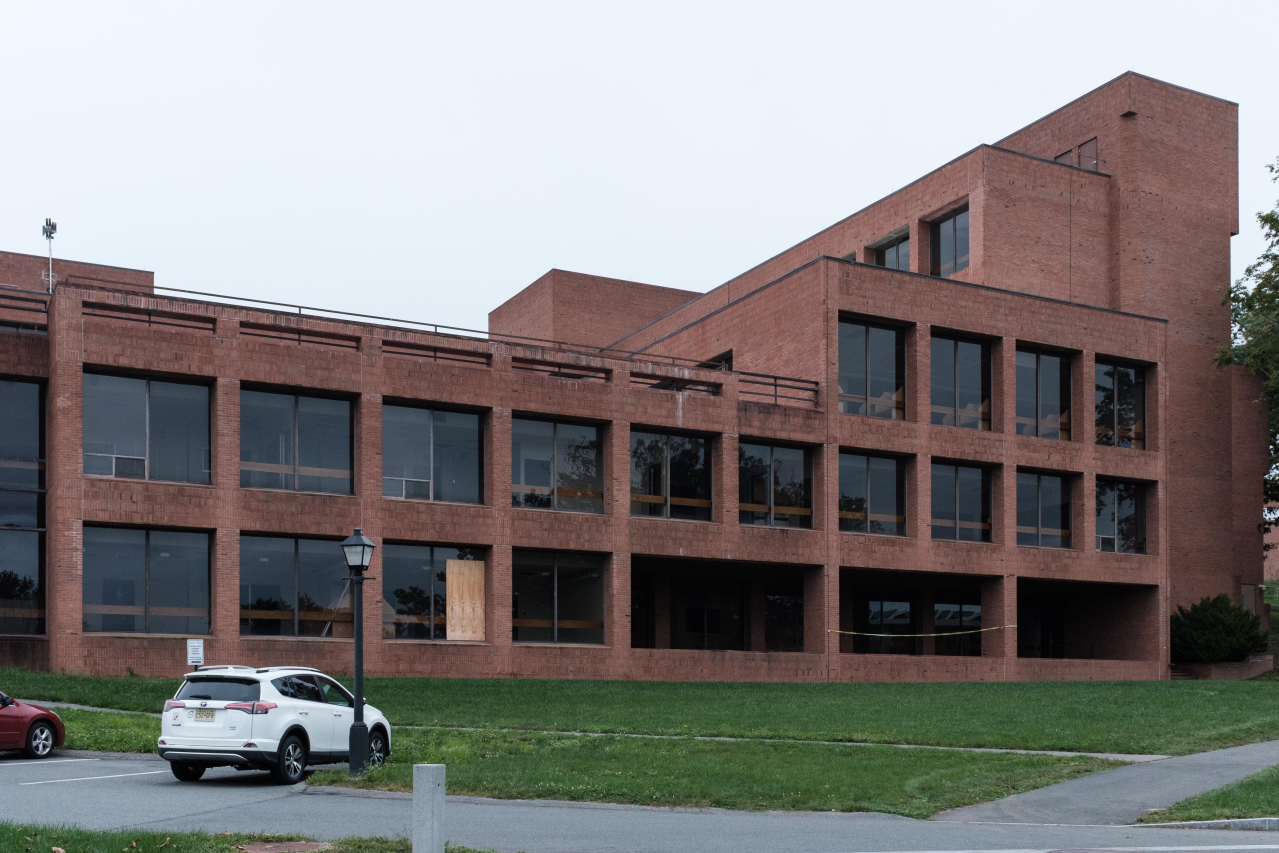

Bold, imposing, and unapologetically raw, the Brutalist architectural style has left an indelible mark on skylines around the world. Characterized by its use of raw concrete and striking geometric forms, Brutalism has often polarized opinions and sparked fierce debates among architects and urban planners. As we delve into the history, design principles, and enduring legacy of the Brutalist movement, we uncover the complex and controversial nature of this architectural phenomenon. From its origins in post-war Europe to its enduring presence in today’s cities, the Brutalist style continues to evoke strong reactions and inspire passionate discourse.
Table of Contents
- The Rise of Brutalist Architecture: Understanding the Movement and its Impact on Urban Landscapes
- Unveiling the Controversial Aesthetics of Brutalist Structures: Embracing Beauty in Raw Concrete
- Exploring the Enduring Legacy of Brutalist Architecture: Preserving and Appreciating these Bold Structures
- Critiquing and Rehabilitating Brutalist Buildings: Strategies for Future Design and Restoration Efforts
- Q&A
- Concluding Remarks
The Rise of Brutalist Architecture: Understanding the Movement and its Impact on Urban Landscapes
The brutalist architectural movement, which emerged in the mid-20th century, left a lasting impact on urban landscapes around the world. Characterized by its use of raw concrete and imposing, monolithic structures, brutalist buildings often provoke strong reactions from admirers and detractors alike. Understanding the history and influence of brutalist architecture can provide valuable insights into the development of urban spaces and the evolution of architectural design.
Key aspects of brutalist architecture:
– Raw concrete: One of the defining features of brutalist buildings is their use of exposed concrete, creating a stark and industrial aesthetic.
– Geometric forms: Brutalist structures often feature bold, angular shapes and repetitive patterns, emphasizing a sense of order and solidity.
– Function over form: Brutalist architects prioritized functionality and practicality, often prioritizing the needs of the inhabitants over ornamental design elements.
The impact of brutalist architecture on urban landscapes:
– Urban renewal: Brutalist buildings were often constructed as part of large-scale urban renewal projects, reshaping city skylines and infrastructure.
- Social implications: Many brutalist structures were built to serve public functions, such as government offices, libraries, and housing complexes, reflecting a commitment to providing essential services for urban communities.
– Preservation challenges: As brutalist buildings age, they present unique preservation challenges due to the distinctive nature of their construction materials and design features. Efforts to preserve and repurpose these structures continue to spark debate and raise questions about the value of preserving architectural heritage.
Unveiling the Controversial Aesthetics of Brutalist Structures: Embracing Beauty in Raw Concrete
The controversial architectural style of Brutalism has been a source of heated debate among design enthusiasts, architectural critics, and the general public for decades. This raw, imposing style is characterized by its use of unadorned concrete, angular geometries, and a bold, industrial aesthetic. While some view Brutalism as an eyesore, others see beauty in its honesty, simplicity, and rawness.
One of the most captivating aspects of Brutalist structures is their ability to evoke strong emotions and opinions. Whether loved or loathed, these buildings demand attention and provoke thought, making them an integral part of the urban landscape. By stripping away decorative elements, Brutalism reveals the true nature of materials, showcasing the stark beauty of concrete in its most unadulterated form.
Moreover, Brutalist architecture presents a unique opportunity to explore the interplay between form, function, and social context. Many Brutalist buildings were erected during a period of societal upheaval and change, reflecting the ethos of their time through their unconventional, sometimes confrontational designs. As we reconsider the controversial aesthetics of Brutalist structures, it becomes clear that embracing the beauty of raw concrete can lead to a deeper understanding of the architectural heritage that surrounds us.
| Pros of Brutalist architecture | Cons of Brutalist architecture |
| Raw, unapologetic aesthetic | Perceived as harsh and unwelcoming |
| Visibility of construction materials | Difficult to maintain and prone to weathering |
| Strong emotional impact | Controversial and divisive |
In conclusion, the controversial aesthetics of Brutalist structures offer a lens through which we can reassess the concept of beauty in architecture. By embracing the raw, unadorned qualities of concrete, we may gain a new appreciation for the honesty, simplicity, and authenticity inherent in Brutalism. As we continue to grapple with the complexities of architectural design, it is essential to recognize the significance of controversial styles such as Brutalism in shaping our built environment and cultural heritage.
Exploring the Enduring Legacy of Brutalist Architecture: Preserving and Appreciating these Bold Structures
Brutalist architecture, with its bold and imposing structures, has left an indelible mark on urban landscapes around the world. These concrete monoliths, characterized by their raw and rugged appearance, evoke strong emotions in viewers and have sparked debates about their aesthetic value and historical significance.
As the movement continues to face the threat of demolition and neglect, it is crucial to explore the enduring legacy of brutalist architecture and advocate for its preservation and appreciation. These structures, often misunderstood and underappreciated, represent an important era in architectural history and deserve to be celebrated for their unique design and cultural impact.
Here are some key aspects to consider when it comes to understanding and preserving brutalist architecture:
- Historical Context: Understanding the social and political climate that gave rise to brutalist architecture is essential in appreciating its significance.
- Architectural Innovation: Explore the innovative construction techniques and design principles that make brutalist structures stand out in the architectural world.
- Community Engagement: Engaging with local communities and raising awareness about the value of brutalist architecture can help garner support for preservation efforts.
Critiquing and Rehabilitating Brutalist Buildings: Strategies for Future Design and Restoration Efforts
The Significance of Critiquing and Rehabilitating Brutalist Buildings
Brutalism, a controversial architectural style that emerged in the mid-20th century, has often been the subject of heated debate. While some view these structures as imposing eyesores, others consider them significant cultural artifacts worthy of preservation and restoration. As more communities face the decision of whether to demolish or rehabilitate brutalist buildings, it is crucial to consider strategies for critiquing and rehabilitating these structures to ensure their relevance and functionality for future generations.
When approaching the task of critiquing and rehabilitating brutalist buildings, it is essential to acknowledge the unique characteristics of this architectural style. Here are some strategies and considerations to guide future design and restoration efforts:
- Understanding the Historical and Cultural Context: Before embarking on any rehabilitation project, it is imperative to understand the historical and cultural significance of the brutalist building in question. This involves researching the architect’s vision, the societal context in which it was built, and its impact on the surrounding community.
- Embracing Sustainable Design Principles: As sustainability becomes an increasingly critical concern in architecture, rehabilitating brutalist buildings provides an opportunity to integrate sustainable design principles. This can involve enhancing energy efficiency, incorporating green spaces, and utilizing eco-friendly materials.
- Engaging with the Community: Involving the local community in the critique and rehabilitation process is vital for garnering support and ensuring that the revitalized building meets the needs and desires of its users. Community input can inform design choices and foster a sense of ownership and pride in the restored structure.
| Building Name | Location | Architect |
|---|---|---|
| Boston City Hall | Boston, Massachusetts | Kallmann McKinnell & Knowles |
| Robin Hood Gardens | London, United Kingdom | Alison and Peter Smithson |
| Marin City’s Golden Gate Village | Marin City, California | Xin Development Group International |
Q&A
Q: What is “the brutalist” architectural style?
A: “The brutalist” is an architectural style that emerged in the 1950s and gained popularity in the 1960s. It is characterized by its use of raw concrete, geometric shapes, and a focus on functionality.
Q: Where did the brutalist style originate?
A: The brutalist style originated in post-war Europe, with architects and planners seeking to create affordable, functional buildings in response to the destruction caused by World War II.
Q: What are the key features of brutalist architecture?
A: The key features of brutalist architecture include its use of raw concrete, the expression of the building’s structure, and a focus on functionality over ornamental detail.
Q: What are some notable examples of brutalist architecture?
A: Some notable examples of brutalist architecture include the Boston City Hall, the Barbican Centre in London, and the Habitat 67 in Montreal.
Q: What is the current perception of brutalist architecture?
A: Brutalist architecture has experienced a resurgence in popularity in recent years, with many people appreciating its bold, unconventional aesthetic and its focus on practicality.
Q: What are some criticisms of brutalist architecture?
A: Some criticisms of brutalist architecture include its often stark and imposing appearance, as well as its association with the social housing projects of the 1960s and 1970s, which have been criticized for their lack of maintenance and neglect.
Q: How is brutalist architecture being preserved and celebrated today?
A: Many efforts are being made to preserve and celebrate brutalist architecture, with some buildings being given heritage status and others being repurposed for new uses. Additionally, there are architectural tours and exhibitions dedicated to celebrating the brutalist style.
Concluding Remarks
In conclusion, the Brutalist movement continues to divide opinion among architects and the general public. Whether you love it or hate it, one thing is for sure: it has left an indelible mark on the world of architecture. Its bold and uncompromising designs have inspired countless buildings and structures, and its influence can still be seen in modern architecture today. Love it or hate it, the Brutalist movement has certainly made its impact felt, and its legacy is sure to endure for years to come.