
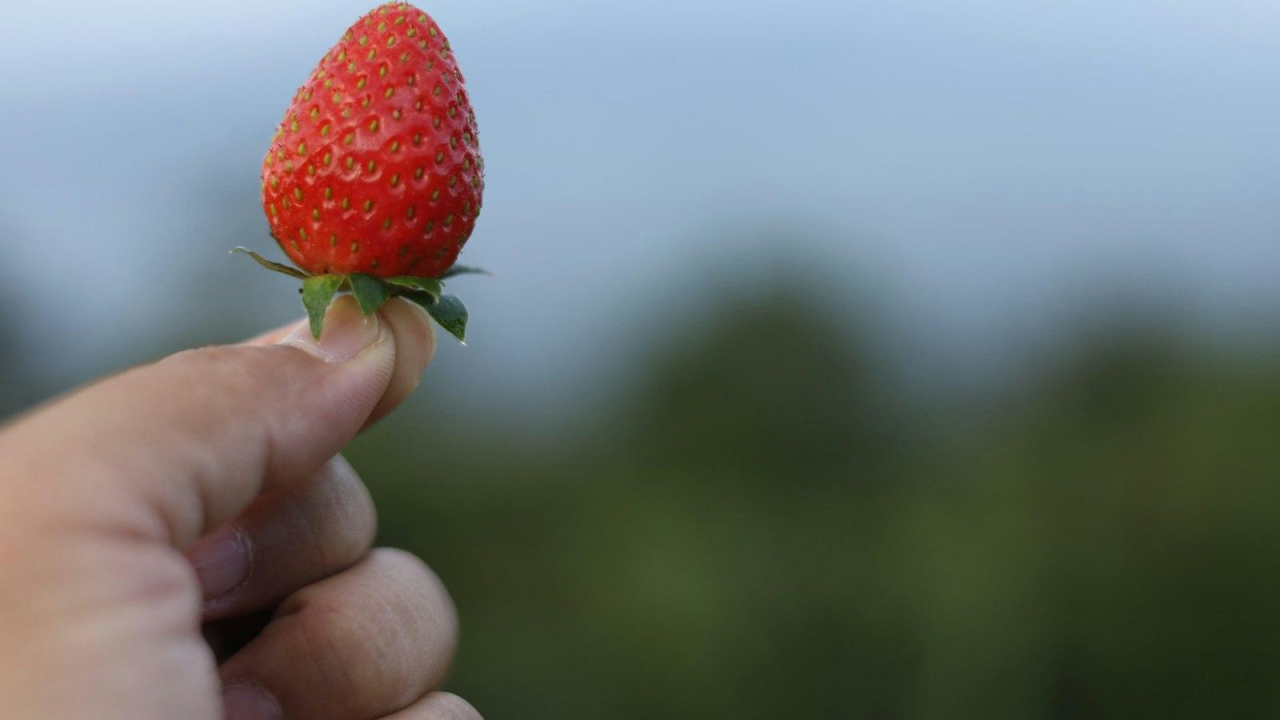

Are you troubled by those tiny black dots that appear on your nose, resembling the seeds on a strawberry? If so, you may be experiencing a common skin condition known as “strawberry nose”. This article aims to provide a comprehensive overview of the causes, symptoms, and potential treatment options for this condition, helping you better understand and address this dermatological concern.
Table of Contents
- Understanding the phenomenon of “strawberry nose”
- Causes and risk factors of “strawberry nose”
- Effective treatments for reducing “strawberry nose”
- Preventive measures to minimize the appearance of “strawberry nose
- Q&A
- The Way Forward
Understanding the phenomenon of “strawberry nose”
Strawberry nose is a term used to describe enlarged, visible pores on the skin, particularly the nose, that resemble the seeds on the surface of a strawberry. This condition is also known as open comedones, which are a type of acne that occurs when the hair follicles become clogged with oil, dead skin cells, and bacteria. Understanding the causes and treatments for strawberry nose can help individuals better manage and improve the appearance of their skin.
Common causes of strawberry nose include:
- Excess oil production
- Buildup of dead skin cells
- Genetics
- Hormonal changes
There are several treatment options to help reduce the appearance of strawberry nose, including:
- Regular exfoliation to remove dead skin cells
- Using a clay mask to absorb excess oil and unclog pores
- Topical retinoids to help unclog pores and improve skin texture
- Professional treatments such as chemical peels or laser therapy
Causes and risk factors of “strawberry nose”
Strawberry nose, medically known as “open comedones” or “enlarged pores,” is a common skin condition that causes the pores on the nose to appear larger and more prominent, resembling the seeds on the surface of a strawberry. While the condition is not harmful, it can be bothersome for those who experience it. Understanding the causes and risk factors of strawberry nose can help individuals better manage and treat the condition.
Several factors can contribute to the development of strawberry nose, including:
- Excessive sebum production: Overproduction of oil by the sebaceous glands can lead to clogged pores and the formation of blackheads, giving the nose a strawberry-like appearance.
- Genetics: Some individuals may be more predisposed to developing strawberry nose due to their genetic makeup.
- Poor skincare habits: Failure to cleanse the skin thoroughly or using harsh, pore-clogging products can exacerbate the appearance of enlarged pores on the nose.
| Cause | Risk Factor |
|---|---|
| Excessive sebum production | Increase in oil production can lead to clogged pores and blackheads. |
| Genetics | People with a family history of enlarged pores may be more prone to developing strawberry nose. |
| Poor skincare habits | Improper cleansing or use of pore-clogging products can worsen the condition. |
Effective treatments for reducing “strawberry nose”
If you’re struggling with the appearance of “strawberry nose,” you’re not alone. This common skincare concern is characterized by the presence of enlarged and visible pores on the nose, often giving the skin a bumpy or textured appearance that resembles the surface of a strawberry. Luckily, there are several effective treatments and remedies that can help reduce the appearance of “strawberry nose” and improve the overall look and feel of your skin.
One of the most is regular exfoliation. This process helps to unclog the pores and remove excess oil and dead skin cells, which can contribute to the appearance of enlarged pores. Look for exfoliating products that contain salicylic acid or glycolic acid, as these ingredients are known for their ability to deeply cleanse and purify the skin. Additionally, consider incorporating a clay mask into your skincare routine, as this can help to absorb excess oil and minimize the appearance of pores.
Preventive measures to minimize the appearance of “strawberry nose
Strawberry nose, also known as open comedones, occurs when the pores on your nose become clogged with dirt, oil, and dead skin cells. This can give the appearance of tiny red or black dots on the nose, much like the seeds on a strawberry. If you’re looking to minimize the appearance of strawberry nose, there are several preventive measures you can take to keep your pores clean and clear.
First and foremost, maintaining a regular skincare routine is essential for preventing strawberry nose. This should include cleansing your face twice daily with a gentle, non-comedogenic cleanser to remove dirt, oil, and makeup. Exfoliating your skin 1-2 times a week can also help to remove dead skin cells and prevent clogged pores. Additionally, using a clay mask once a week can help to absorb excess oil and impurities from the skin.
It’s also important to avoid using harsh products or over-exfoliating, as this can irritate the skin and exacerbate the appearance of strawberry nose. Instead, opt for products that are specifically designed for your skin type and that won’t clog your pores. Keeping your nose and skin hydrated with a non-comedogenic moisturizer is also essential for maintaining clear pores and minimizing the appearance of strawberry nose.
Q&A
Q: What is a “strawberry nose”?
A: “Strawberry nose” is a term used to describe the appearance of small, black or darkened spots on the nose that resemble the seeds on a strawberry.
Q: What causes a “strawberry nose”?
A: “Strawberry nose” is often caused by a buildup of oil, bacteria, and dead skin cells in the pores of the nose. This can lead to the development of blackheads and enlarged pores.
Q: Can “strawberry nose” be treated?
A: Yes, there are several treatments and skincare regimens that can help to reduce the appearance of a “strawberry nose”. These may include regular exfoliation, topical treatments containing salicylic acid or retinoids, and professional treatments such as chemical peels or microdermabrasion.
Q: Are there any home remedies for “strawberry nose”?
A: Some people find success with home remedies such as using a clay mask, applying a mixture of honey and cinnamon, or using a DIY pore strip. However, it’s important to use caution with home remedies and consult with a dermatologist before trying them.
Q: How can I prevent “strawberry nose”?
A: To prevent “strawberry nose”, it’s important to maintain a regular skincare routine that includes cleansing, exfoliating, and using products that help to control oil and minimize pore size. It’s also important to avoid picking or squeezing at the pores, as this can exacerbate the issue.
The Way Forward
In conclusion, having a “strawberry nose” can be a frustrating experience for many individuals, but it is a common and treatable condition. By understanding the causes and available treatment options, individuals can work towards reducing the appearance of this skin concern. It is important to consult with a dermatologist or healthcare professional to explore the best course of action for addressing strawberry noses. With the right approach, individuals can achieve clearer, healthier-looking skin.