
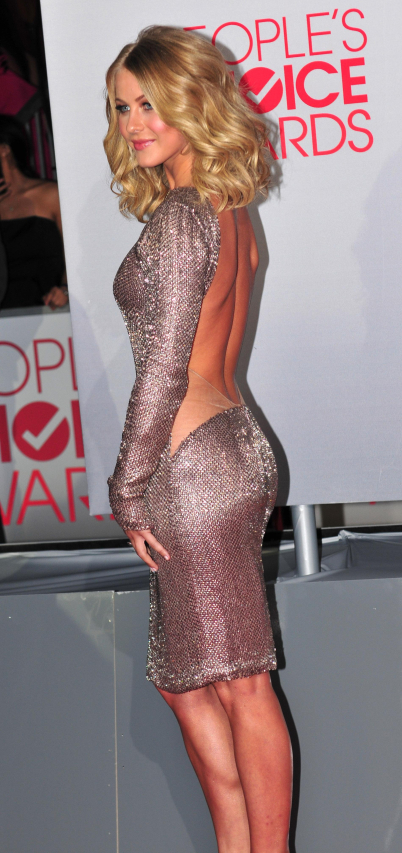

Julianne Hough, an American dancer, actress and singer, found herself in the midst of controversy after facing backlash for her decision to wear blackface as part of a Halloween costume. The incident sparked discussions on cultural appropriation and racial insensitivity, prompting a closer look at the implications of such actions in today’s society. Let’s explore the details of this controversy and the broader conversation it has ignited.
Table of Contents
- Background of the Julianne Hough Blackface Controversy
- Impact of Julianne Hough’s Blackface Incident on Society
- Responses and Reactions to Julianne Hough’s Blackface Incident
- Recommendations for Addressing and Preventing Blackface Incidents
- Q&A
- Final Thoughts
Background of the Julianne Hough Blackface Controversy
The controversy surrounding Julianne Hough and blackface erupted in 2013 when the actress and dancer attended a Halloween party dressed as the character “Crazy Eyes” from the popular TV show Orange is the New Black. Hough’s costume included dark makeup to mimic the character’s skin tone, sparking outrage and accusations of racism. Hough publicly apologized for her decision to wear blackface, acknowledging that it was “a poor choice” and insisting that she “never meant to offend anyone.”
The incident sparked a broader conversation about the history and implications of blackface in popular culture, highlighting the need for greater awareness and sensitivity when it comes to issues of race and representation. Hough’s misstep serves as a reminder of the lasting impact of racially insensitive actions and the importance of educating oneself on the harmful effects of cultural appropriation. The controversy prompted many to reflect on the impact of their own actions and the need to be more mindful of the potential harm caused by perpetuating harmful stereotypes.
The Julianne Hough blackface controversy serves as a cautionary tale about the power of costume and makeup choices to perpetuate harmful stereotypes and the importance of learning from past mistakes. The incident sparked important conversations about cultural sensitivity and the need for greater understanding of the historical and social context of racial issues. It also served as a reminder of the lasting impact of racially insensitive actions on individuals and communities. As a society, it is crucial to continue these conversations and strive for greater awareness and understanding of the impact of our actions on others.
| Key Points |
| Julianne Hough wore blackface as part of a Halloween costume in 2013, sparking controversy and accusations of racism. |
| Hough publicly apologized for her choice and acknowledged the harm caused by her actions. |
| The incident prompted broader conversations about cultural sensitivity and the impact of racially insensitive actions. |
| It serves as a reminder of the importance of understanding the historical and social context of racial issues. |
Impact of Julianne Hough’s Blackface Incident on Society
Julianne Hough’s Blackface incident in 2013 continues to have a significant impact on society. The incident occurred during a Halloween party where Hough dressed as the character “Crazy Eyes” from the popular TV show Orange is the New Black. The actress and dancer darkened her skin with makeup, leading to widespread criticism and outrage.
The incident sparked important conversations about race, cultural appropriation, and the history of blackface in entertainment. It also highlighted the need for awareness and education on these issues. Here are some of the key ways in which Julianne Hough’s Blackface incident has impacted society:
- Increased awareness of the history and harmful effects of blackface.
- Heightened sensitivity to cultural appropriation and racial insensitivity in popular culture.
- Prompted discussions about the importance of diversity and representation in the entertainment industry.
| Increased awareness of the history and harmful effects of blackface. |
| Heightened sensitivity to cultural appropriation and racial insensitivity in popular culture. |
| Prompted discussions about the importance of diversity and representation in the entertainment industry. |
Responses and Reactions to Julianne Hough’s Blackface Incident
Julianne Hough faced severe backlash after she appeared in blackface at a Halloween party in 2013. The incident resurfaced in 2020, bringing her actions back into the spotlight and reigniting a conversation about cultural insensitivity and racial issues.
Here are some of the :
- Social Media Outcry: Many people took to social media to express their outrage and disappointment regarding Hough’s decision to wear blackface. The incident sparked heated discussions about cultural appropriation and the long-standing history of blackface in perpetuating racist stereotypes.
- Apology and Reflection: Julianne Hough issued a public apology, expressing regret for her past actions and acknowledging the harm caused by her choice to wear blackface. Some individuals commended her for taking accountability and using the incident as an opportunity for reflection and growth.
- Education and Awareness: The incident prompted conversations about the importance of education and awareness surrounding issues of race and cultural sensitivity. Many individuals emphasized the need for continued dialogue and learning to prevent similar incidents in the future.
Recommendations for Addressing and Preventing Blackface Incidents
When it comes to addressing and preventing blackface incidents, it’s essential to have a proactive approach that includes education, awareness, and accountability. Here are some recommendations for effectively addressing and preventing blackface incidents:
- Educational Initiatives: Implement educational programs and workshops to educate individuals on the history and impact of blackface, as well as the harmful stereotypes and racism it perpetuates.
- Policy Changes: Organizations and institutions should establish clear policies that explicitly prohibit the use of blackface in any form, whether it be in performances, costumes, or social media posts.
- Community Engagement: Foster open discussions within communities to address the issue of blackface, encourage dialogue, and create a supportive environment for those affected by it.
By taking these proactive measures, we can work towards creating a more inclusive and respectful society that values diversity and understands the harmful impact of blackface.
Q&A
Q: What is the controversy surrounding Julianne Hough and blackface?
A: Julianne Hough came under fire for wearing blackface as part of a Halloween costume in 2013.
Q: What exactly did Julianne Hough do?
A: She dressed up as Suzanne “Crazy Eyes” Warren, a character from the TV show “Orange is the New Black,” and darkened her skin with makeup to resemble the character.
Q: Why is blackface offensive?
A: Blackface is a form of theatrical makeup used predominantly by non-black performers to represent a caricature of a black person. It has a history rooted in racist stereotypes and has been widely condemned as a dehumanizing and offensive practice.
Q: How did Julianne Hough respond to the backlash?
A: Hough issued a public apology on Twitter, acknowledging that her costume was offensive and that she was sorry if she had offended anyone.
Q: Has Julianne Hough addressed the issue since then?
A: Hough has spoken about the incident in subsequent interviews, expressing regret and emphasizing the importance of learning from mistakes and growing as a person.
Q: What is the broader significance of this controversy?
A: The incident highlighted the ongoing conversation about cultural appropriation and the importance of understanding the historical and cultural context of certain actions and behaviors. It also served as a reminder of the power of celebrities to influence and educate others on matters of race and cultural sensitivity.
Final Thoughts
In conclusion, the controversy surrounding Julianne Hough’s use of blackface serves as a reminder of the importance of understanding the historical and cultural significance of various forms of representation. It also highlights the need for ongoing conversations about race, privilege, and cultural sensitivity in the entertainment industry. While Hough has since apologized for her actions, the incident underscores the lasting impact of such offensive portrayals and the responsibility of individuals to educate themselves and make informed choices in their creative expression. Moving forward, it is crucial for all individuals, particularly those in influential positions, to be mindful of the potential harm of their actions and strive to promote inclusivity and respect for all communities.